
Enjoy oysters in Charente-Maritime
oyster tasting in Charente-Maritime
Between ocean, marshes and channels: the art of savouring them here
In Charente-Maritime, eating oysters is never just a simple platter of shellfish. It’s a moment shaped by the landscape: shimmering basins, channels, salty air, shifting light on wooden huts, ports where you come across as many baskets as smiles. Here, tasting is experienced as close as possible to the places of production: in an oyster hut, at the market, on a harbour, sometimes even in discreet corners where you sit down facing the claires. And it is precisely this closeness that changes everything: the flavours seem cleaner, the textures more distinct, the pairings more obvious.
This area has several stages: Marennes-Oléron and its claires, the Île de Ré and its huts, the surroundings of La Rochelle, the coasts around Fouras, Châtelaillon-Plage and the open views over the Pertuis d’Antioche. In each, the oyster tells a nuance: a more direct brininess, a rounder sweetness, a more vegetal finish. The pleasure lies in tasting, comparing, and above all taking your time. The best approach: treat yourself to an itinerary, taste in small quantities but several times, and let your palate build a memory of the coastline.
Choosing your place: huts, harbours and markets
The first good choice is the location. In a hut, you get the truest version: simple tables, a view over the oyster beds, a friendly atmosphere. On a harbour, you add the ballet of boats and the strolling vibe. At the market, you gain in variety: different producers, different sizes, sometimes batches that are livelier or creamier.
For those who like to easily spot tasting addresses, there are useful selections and directories, notably to find a oyster bar and places to taste seafood depending on the area where you are staying. It’s handy for improvising, especially when you arrive late in the afternoon and want to sit down there, now, facing the water.
Marennes-Oléron: the pleasure of the claires and nuanced flavours
Impossible to miss Marennes-Oléron, as the area’s identity is so closely tied to farming and maturation. What makes it locally distinctive are the claires, those shallow basins where the oysters rest and are finished. On your plate, this can translate into a more supple flesh, a more elegant length on the palate, sometimes a slightly sweet or hazelnut note, sometimes a greener, more vegetal side depending on the batches. The most interesting thing, if you have the chance: taste two origins or two finishes in the same session, starting with the finest/most briny and finishing with the fleshier one.
On site, the experience can become very educational. To understand the trade, the cycles, the gestures, the landscapes and how all of that influences your tasting, a site visit is an excellent idea. You can in particular discover oyster farming differently at the Cité de l’Huître, which then allows you to eat with a more informed reading of what you’re tasting: size, density, finishing, and even seasonality.
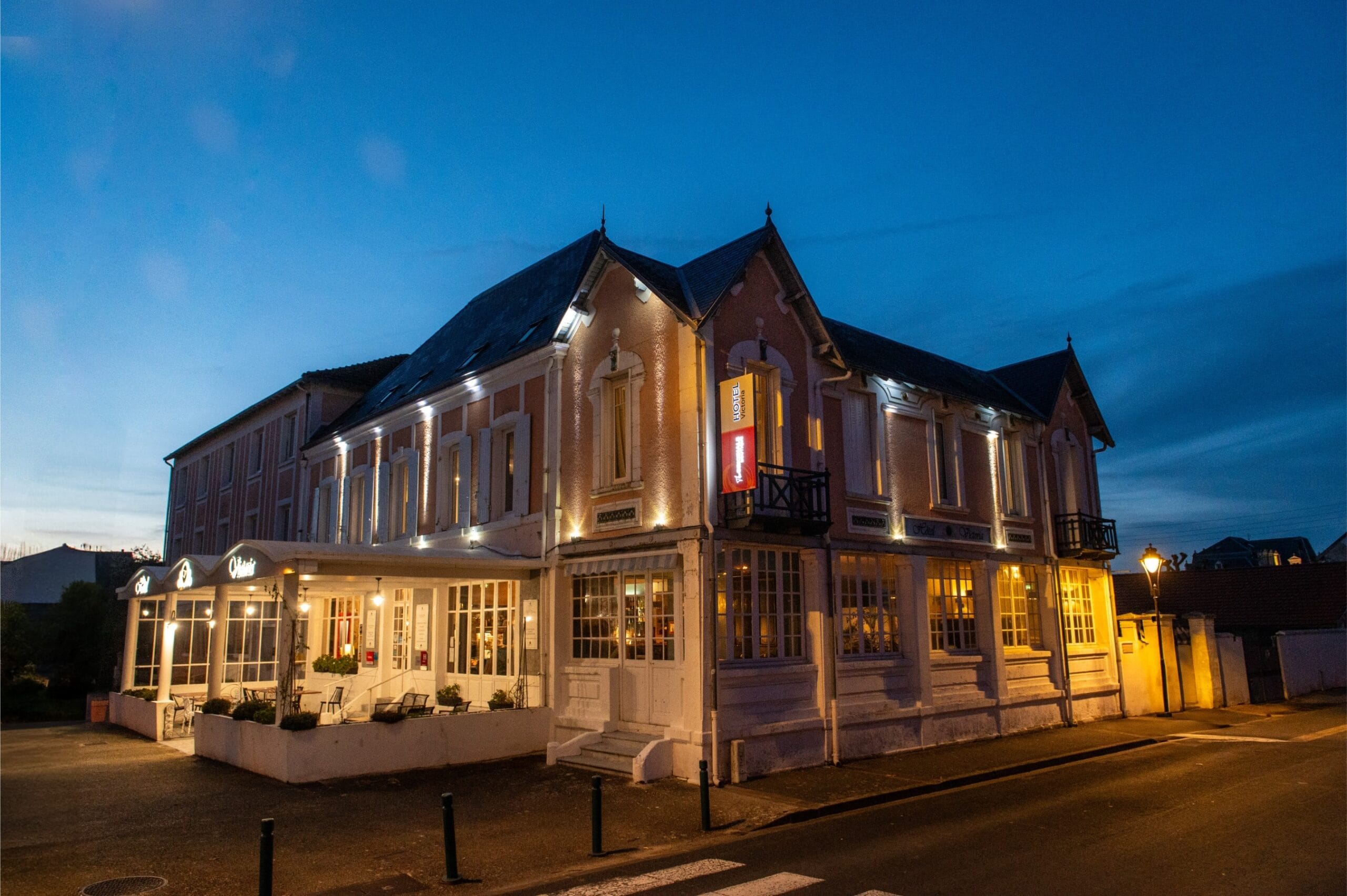
Your hotel in Châtelaillon-Plage
Île de Ré: the hut spirit, the moment facing the marshes
On the Île de Ré, tasting often takes on the feel of a ritual: you stop after a walk, sit down on the terrace, order a dozen, sometimes two, add a well-chilled glass of white, and let time slow down. The oyster huts give this moment a special charm: simple, direct, without superfluous decor. Here, you come as much for the plate as for the atmosphere: pale wood, outdoor tables, conversation blending with the wind.
If you’re looking for ideas for typical places, the destination’s official website offers a selection of oyster huts on the Île de Ré. This helps you organise a day between beaches, cycle paths and a gourmet break, varying the villages and atmospheres.
Around La Rochelle: markets, quays and easy pleasures
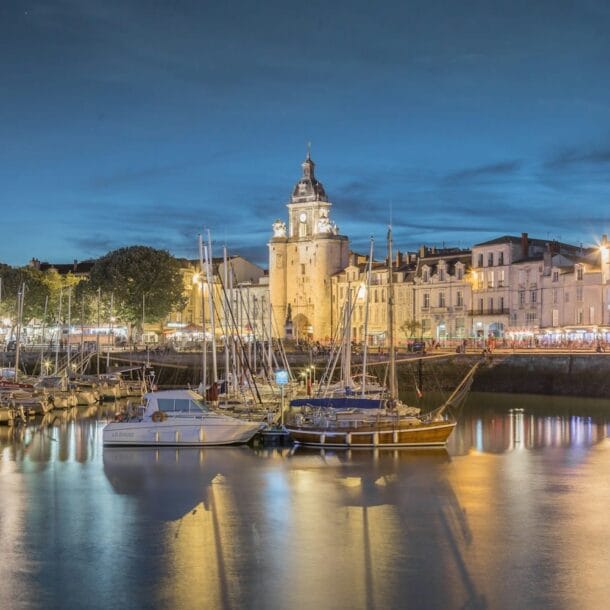
La Rochelle is ideal for alternating between heritage, walks and indulgence. You can start the day with a visit to the centre, then switch to a tasting break. Markets have one advantage: they give access to several producers and several sizes, and you can put together your platter with curiosity. You can also spot products that are perfect to go with it: salted butter, rye bread, seasoned seaweed, lemon (even if some purists do without it), and sometimes rillettes or prawns to mix things up.
If you like the idea of a morning dedicated to indulgence, you can read this guide to a foodie visit of the covered market halls : a good way to set the pace of a getaway, and then treat yourself to a more mindful tasting, having taken the time to choose.
How to put together a tasting that makes sense (and tastes good)
Quantity: it’s better to compare than to overload
The temptation is great to order big. Yet, to enjoy the nuances, it’s better to stay reasonable: 6 to 12 pieces per person depending on appetite, then possibly top up with something else (prawns, whelks, seaweed tartare, bread and butter). The idea is to keep the palate available, to feel the textures, to spot the differences between two batches.
Serving order: from the finest to the meatiest
As with a cheese or wine tasting, the order matters. Start with finer, livelier, more briny oysters, then move on to pieces that are meatier, sweeter, longer on the palate. If you add a sauce (shallot vinegar, for example), keep it for the second part: first plain, then only with seasoning.
Plain or seasoned: a question of timing
Plain, you capture the essentials: the seawater, the freshness, the finish. With lemon, you heighten the tension and acidity. With shallot vinegar, you add crunch, a bit of bite and a bistro feel that works very well with some meatier oysters. The best compromise: taste the first two or three plain, then play with a seasoning for the rest, without drowning out the flavour.
Table pairings: wines, drinks and local accompaniments
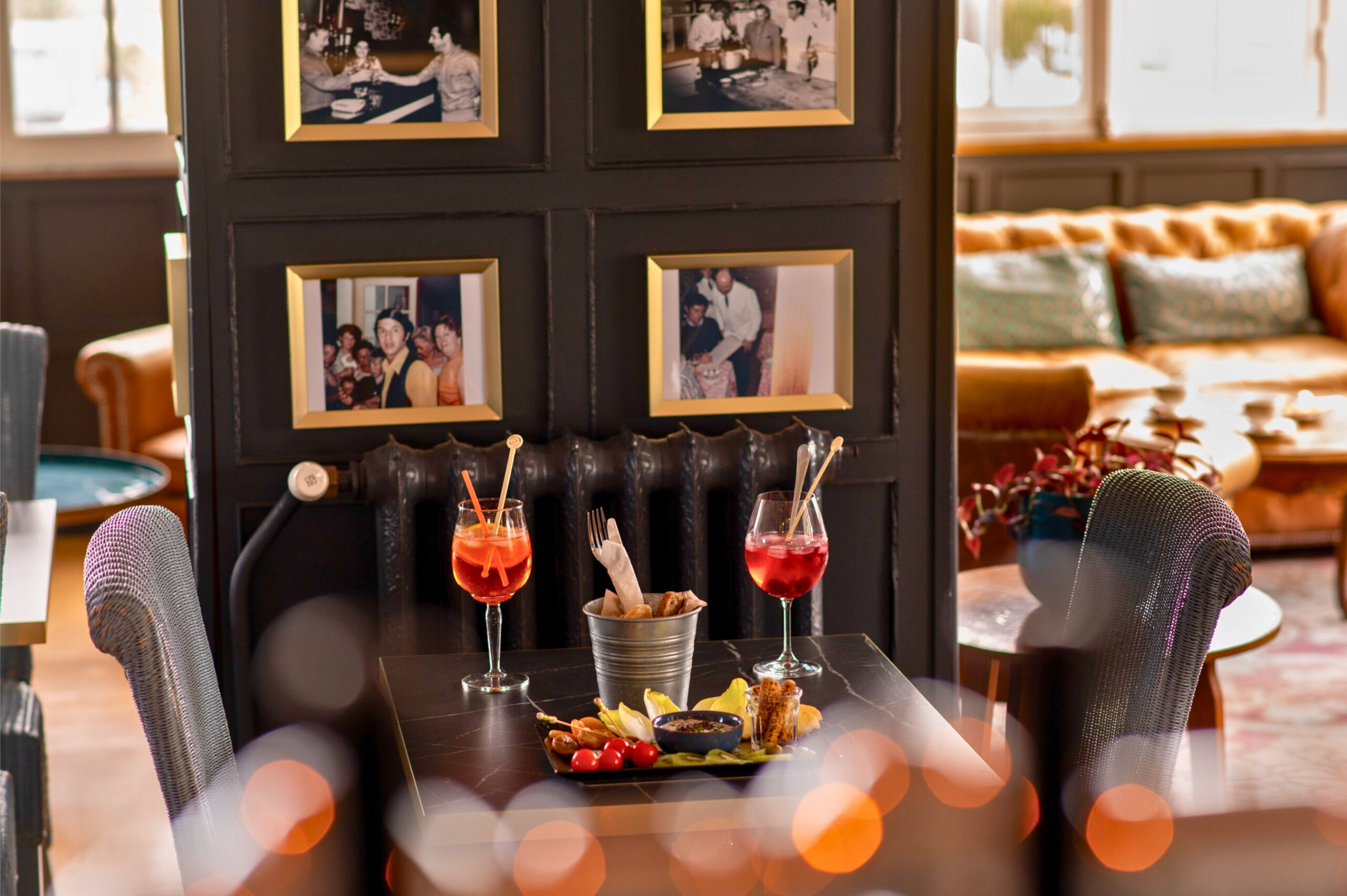
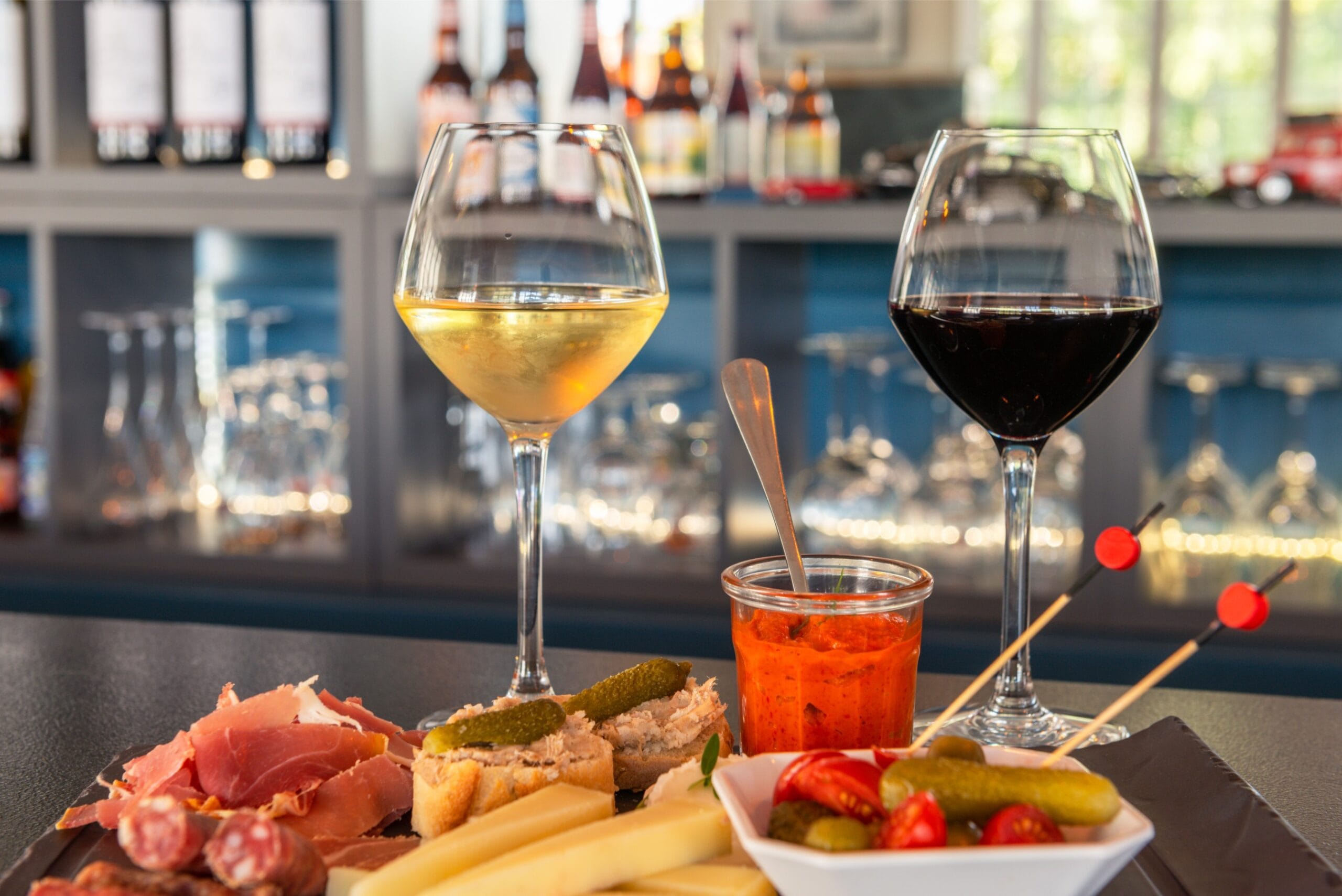
A dry white often works very well: it extends the brininess, cleanses the palate and leaves a clean finish. But the pairing is not unique. Depending on your tastes, you may prefer a rounder wine (if the oyster is very lively) or, on the contrary, a very taut one (if you like sharp sensations). Some also enjoy a sparkling wine for its festive side and its ability to refresh.
On the solid side, simplicity wins: good bread, butter, possibly a little pepper. Overly strong accompaniments quickly overpower the product. If you want a more complete platter, alternate: one bite of oyster, one bite of prawn, then a piece of bread and butter. This lets you vary textures without losing the thread.
Planning your stops: practical tools and short itineraries
When you’re on holiday, you also like improvisation. To spot huts and tasting spots around you, a mobile resource can help, notably this app dedicated to oyster and mussel tasting huts. It’s useful when you change area during the day or when you want to find a foodie stop without spending hours searching.
To build a simple itinerary, think short loops: a market morning, a midday tasting in a hut, an afternoon walk, then a light dinner. Oysters are often enough on their own, especially if you make them a central moment rather than an extra.
Experiences to combine: cycling, panoramas and coastal heritage
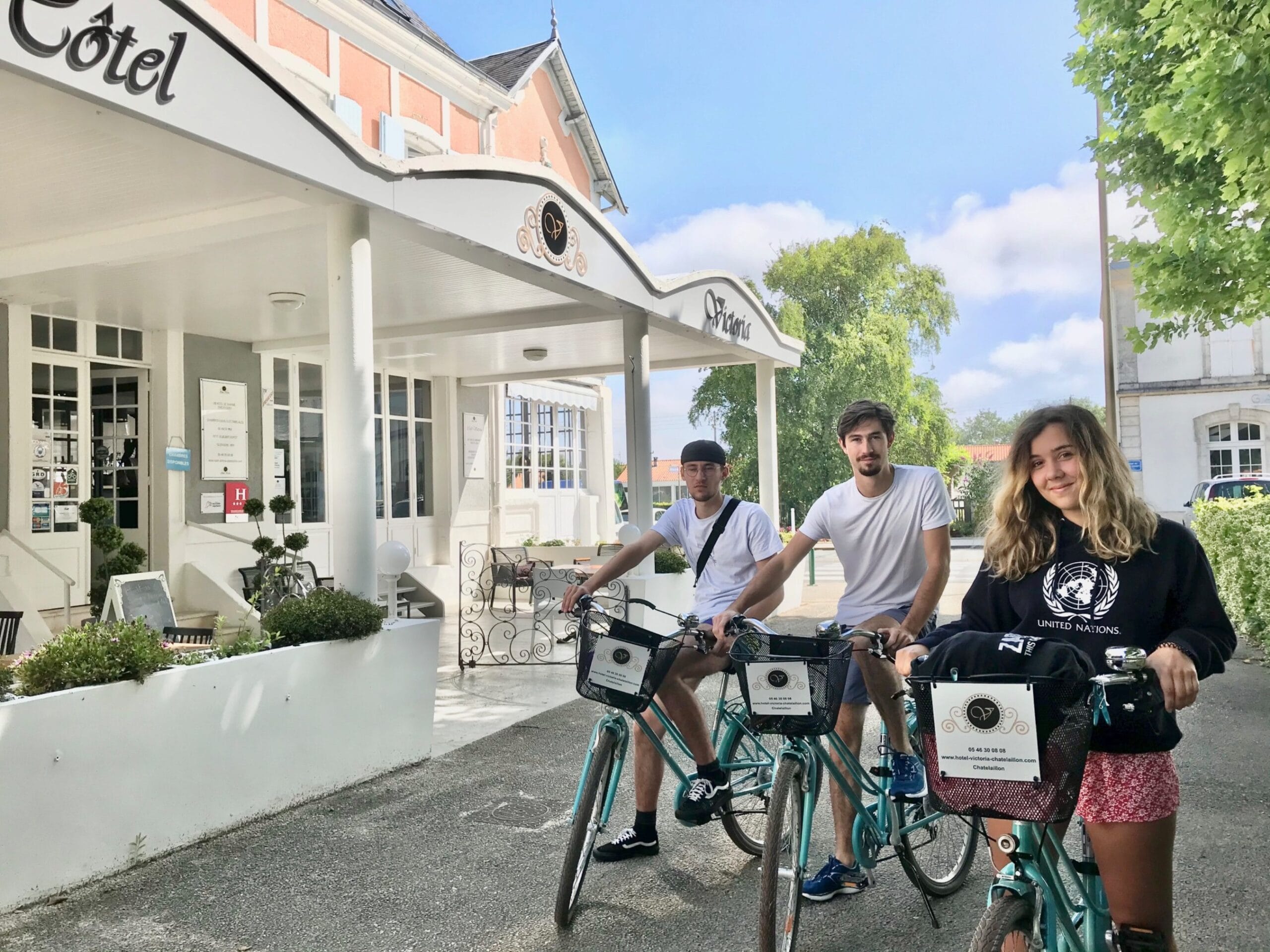
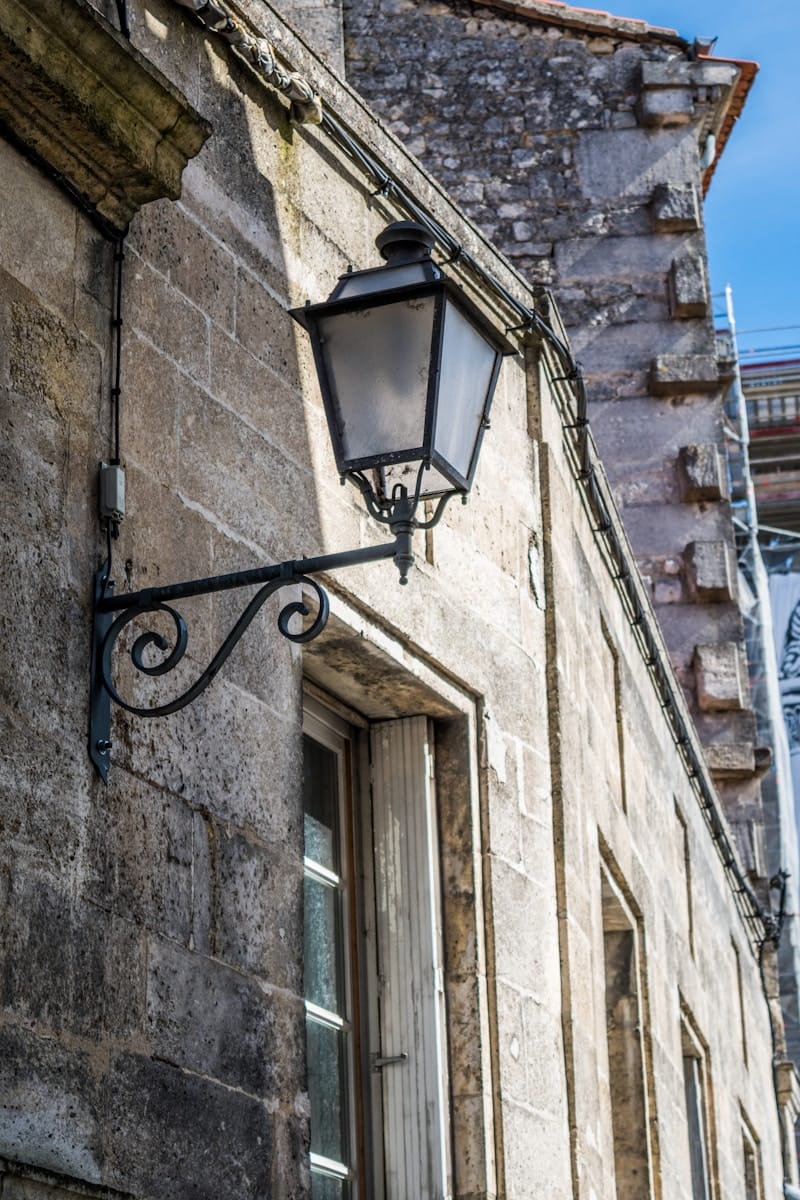
Tasting becomes memorable when it’s part of a well-paced day. In Charente-Maritime, the obvious choice is cycling: terrain often favourable, changing landscapes, easy stops. A ride between the ocean and villages makes you hungry just enough, and makes the break at a hut even tastier. For an outing idea that combines gentle effort and fresh air, you can take inspiration from this cycling route between two coastal resorts.
Your hotel in Châtelaillon-Plage
Another iconic setting: the carrelets, those stilted fishing huts that outline the coast and give the shoreline an immediately recognisable character. Stopping in front of them, understanding their purpose, then going to enjoy a platter nearby is about linking maritime practices together: fishing, farming, maturing, sharing. To extend the discovery, read this focus on these typical fishing huts.
Choosing the right time: season, tides, atmosphere
People often talk about the oyster season, and the experience does indeed change depending on the period. In winter, the desire for briny produce and the outdoor chill make the tasting feel very fitting: it’s a crisp pleasure, almost invigorating. In the fine weather, the atmosphere is more festive, and you appreciate terraces and bright late afternoons more. In all cases, what matters is freshness, storage and how the oysters are served.
The tides, for their part, transform the scenery. At low tide, you can read the oyster-farming landscape: mudflats, beds, channels, birds. At high tide, everything feels more maritime, more postcard-like, and the apéritif moment naturally finds its place. Even if you don’t plan your whole day around it, taking a look at the tide times can make your tasting more beautiful, quite simply.
With the family: making the tasting simple and joyful
Charente-Maritime lends itself very well to outings with children: accessible beaches, easy walks, lively markets. For a relaxed family tasting, the ideal is to choose a place where you can settle in without pressure, with space, and where everyone can find something: oysters for enthusiasts, prawns or mussels for those who are hesitant, bread and butter to calm little hungers. Many huts have that laid-back feel that helps you introduce it without forcing it.
And if you’re looking for ideas for spots suited to days out with the whole tribe, you can browse this selection of beaches designed for families : perfect for putting together a day of swimming + a walk + a tasting, without long journeys.
As a duo: the oyster, a shared moment that’s different from a classic restaurant
For two, tasting has something particularly intimate about it. You order a platter, you swap impressions (this one is milder, that one more saline), you slow down. It’s also a way to treat yourselves without getting stuck in a long dinner: you can then walk along the seafront, have a final drink somewhere else, or head home early with the feeling that you’ve really experienced the place.
If you’d like to turn this gourmet break into a more complete interlude, you could consider an idea for a break for two on the coast, with everything you need to combine walks, sea air and friendly tables.
Little golden rules: freshness, technique, respect for the product
A great tasting is also about common sense. First, freshness: an oyster should be tightly closed before opening, and served very cold. Next, opening: in a hut or at a restaurant, you’re often served oysters that are perfectly prepared, neatly detached, with a good liquor. If you buy them to open yourself, get the right equipment and take it slowly: safety and precision above all.
Finally, respect the pace: don’t rush. The best tastings are those where you listen to the table: you taste, you talk, you look at the scenery. Oysters are a product that likes slowness, even when you eat them in one bite.
Where to stay to explore and multiply tastings
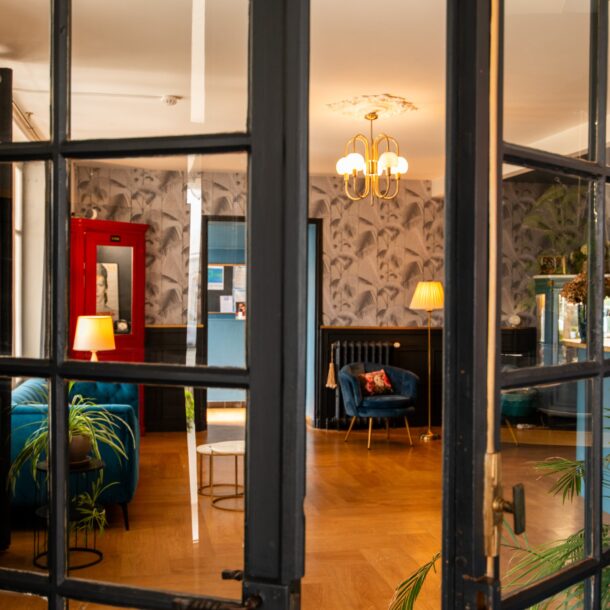
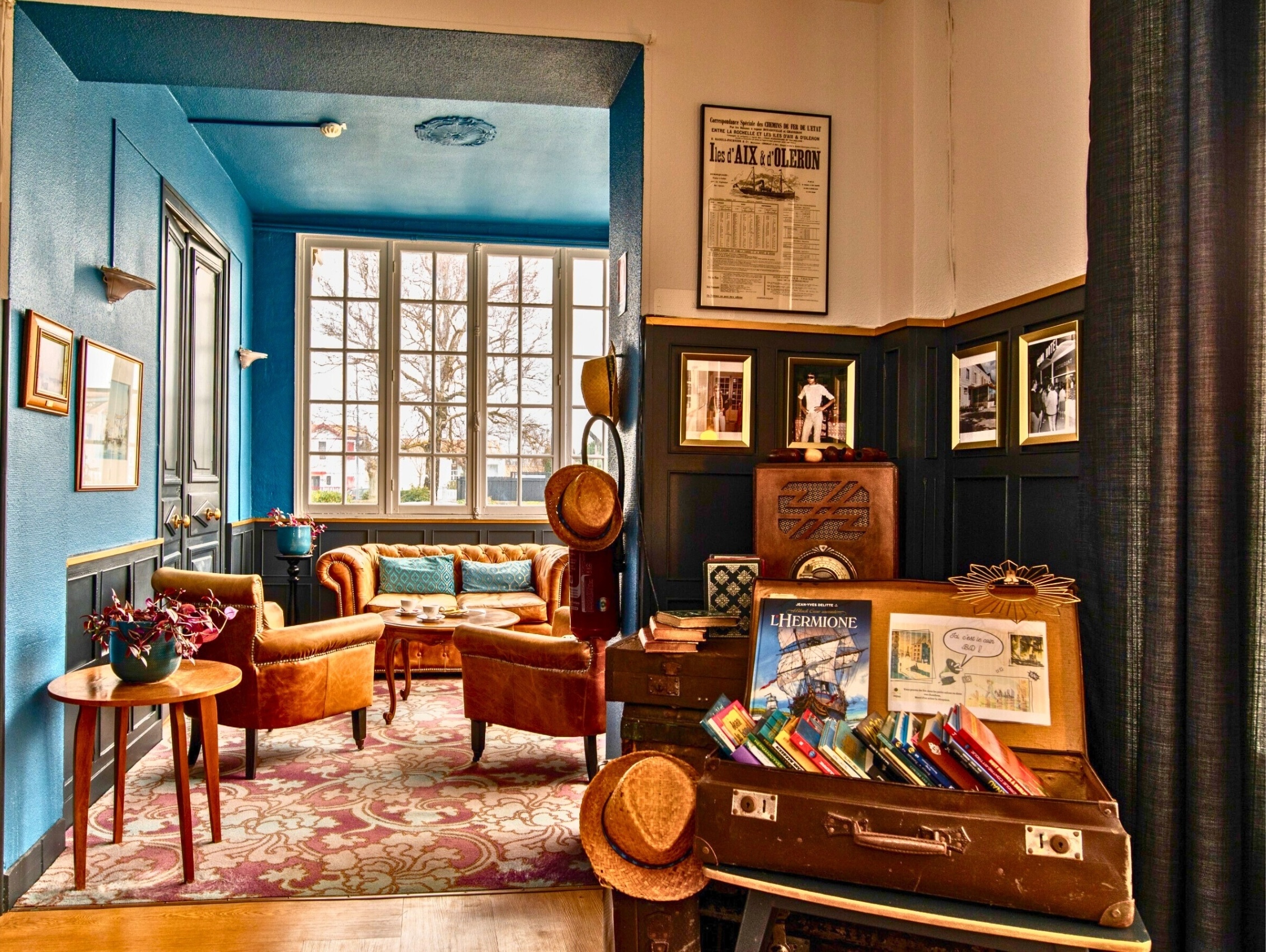
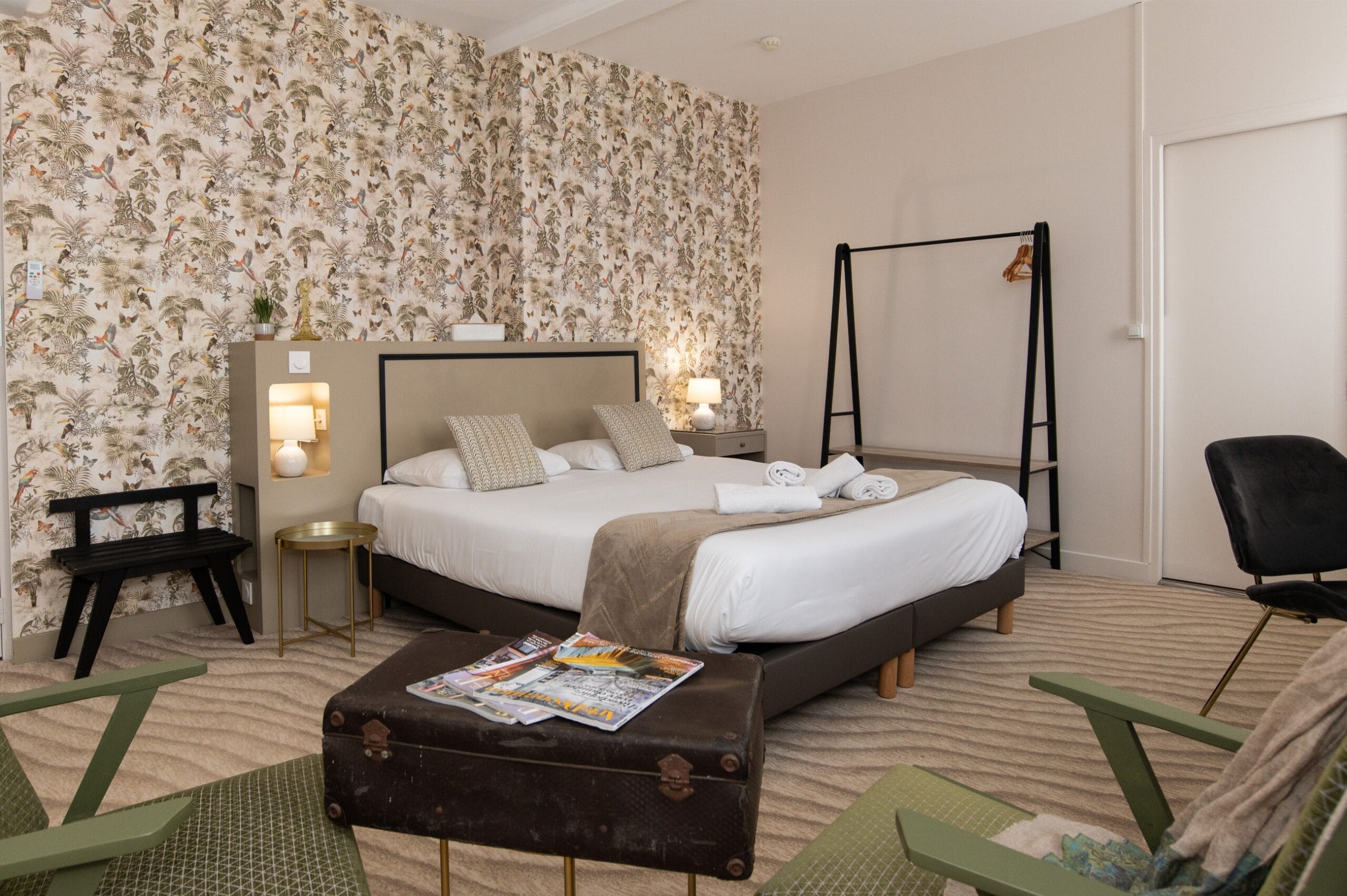
To explore several areas without rushing, the most comfortable option is to choose a well-located base on the coast, allowing you to head out towards La Rochelle, Île de Ré, Fouras, and further south depending on what you fancy. A good base also means the promise of coming back to drop your bags after a tasting, then setting off on foot for a stroll at sunset.
To plan your stopover and organise your foodie outings, you can consult the booking page for your accommodation in Châtelaillon-Plage.
Final tip: save room for surprise
Your hotel in Châtelaillon-Plage
In Charente-Maritime, the best spots are sometimes the ones you didn’t plan: a hut at the end of a path, a terrace overlooking a channel, a producer offering a particularly successful catch of the day. Plan a few stops, yes, but leave room for the unexpected. That’s often where memories are made: a platter shared in the sun, hands that smell of sea spray, and that feeling that the coast is something to taste as much as to look at.