
Best viewpoints in La Rochelle
best views la rochelle
The towers of the Old Port: the most iconic gateway
It’s impossible to look for a panorama in La Rochelle without starting with the emblematic duo guarding the entrance to the harbour: the Saint-Nicolas Tower and the Chain Tower. From below, they make a perfect postcard, especially at daybreak when the water is calm and the masts draw a forest of vertical lines. But it’s by gaining height that they reveal their full appeal: the alignment of the channel, the curve of the quays, the pontoons of the marina, and in the distance the silhouettes of islands that seem to float on the horizon.
Go up when the light skims the stone (early in the morning or late afternoon): the reliefs are accentuated, the city turns more golden, and the reflections in the basin add depth to your photos. In the evening, when the terraces come alive, the contrast between the warm atmosphere of the quays and the calm of the sea opening out behind the towers offers a very La Rochelle scene.
The quays of the Old Port: a viewpoint in motion
For a more cinematic feel, nothing beats a slow walk along the quays. The point isn’t to find one single spot, but to let the frame change every few dozen metres: here an old sailing ship, there an arcade-fronted façade, further on the perspective of the towers drawing apart. As you move forward, you play with the lines of the pontoons, the symmetry of the masts and the natural curve of the harbour.

The best advice: do the out-and-back at different times. In the morning, the city is quieter and the reflections are crisper. In the afternoon, the bustle brings life to the image. At nightfall, the quay lights settle on the water like a garland, and the towers become theatrical silhouettes.
The Grosse Horloge: a natural frame over the harbour
The Grosse Horloge is a framed viewpoint: you look at the sea and the boats as if through a monumental gateway. It isn’t the highest of belvederes, but it’s one of the most photogenic, because the architecture naturally structures the scene. Position yourself so as to include the arch and let the Old Port stretch out behind: you get an image that is both urban and maritime, typical of La Rochelle.
Tip: if you like photos without crowds, aim for early morning. Otherwise, embrace the atmosphere: a few backlit silhouettes under the arch add scale and a strolling mood.
The ramparts and the wall-walk: feeling the city above the water
La Rochelle can also be read in its stonework. The sections of ramparts and the high points around the historic monuments make it possible to see how the city was built facing the Atlantic. Here, the focus is less on a postcard view than on a richer composition: defensive lines, tightly packed roofs, perspectives over the basins, and sometimes a sudden opening towards the open sea.
Your hotel in Châtelaillon-Plage
If you like combining discovery and viewpoints, take inspiration from walking itineraries: the idea is to walk, look up, and capture the scenes as they present themselves. For suggestions of routes that lend themselves well to this approach, you can consult La Rochelle on foot: from must-sees to treasures ….
Le Gabut: bright colours and a maritime horizon
The Gabut district offers a visual break: colourful huts, a Northern port feel, and surprising angles over the basins. The viewpoints here are particularly interesting because they blend the graphic (façades, colours, lines) and the maritime (water, boats, sky). Depending on the weather, the place changes completely: bright sunshine for sharp contrasts, overcast skies for a softer, pastel feel, end of the day for orangey tones on the façades.
Stroll without trying to see everything: in Gabut, the best images are often found by shifting slightly, using a barrier, a pontoon, a row of houses to create successive planes. It’s an ideal place if you like composing rather than simply capturing.
The Trawlers’ Basin: the most lively view
Just a few steps from the most touristy areas, the Trawlers’ Basin gives access to a more authentic and dynamic side: that of work, returns from fishing, port equipment. The viewpoint is less romantic but very visually strong: the volumes of the boats, metallic textures, nets, crates, and that sense of an active port.
Morning remains the best time: skimming light, activity, and a maritime dawn atmosphere. Even if you don’t take photos, it’s an excellent spot to observe the rhythm of the port and experience the city differently.
Les Minimes: a wide panorama over the marina
The Port of Les Minimes, vast and open, offers wider-angle perspectives than the Old Port. Here, you take in the line of pontoons, the density of sailboats and the breathing space of the horizon. By positioning yourself in the right place, you can get a very graphic view: rows of masts that seem to repeat endlessly, with the sky as a backdrop.
For a complete experience, come at two times: during the day for the details (boats, life on the pontoons, reflections), and at sunset for the magic of silhouettes. When the wind gets up, the halyards snap, the hulls move gently: even standing still, the view is alive.

La Concurrence beach: the city behind the sea
At La Concurrence, the interest is not only the sea: it’s the dialogue between the urban waterfront and the beach. You can position yourself so that the city is in the background, which creates images where La Rochelle seems to rise out of the sand. The best conditions: a tide that reveals a wide strip of beach, a clear sky, and late-afternoon light that softens the contrasts.
This spot works very well for those who like simple scenes: a few walkers, a kite, boats in the distance. In winter, when the air is crisper and the beach emptier, the horizon seems farther away, almost graphic.
Charruyer Park: shafts of light towards the coast
Charruyer Park isn’t a viewpoint in the strict sense, but it offers a series of very pleasant mini-views: a green atmosphere, paths, bridges, and openings that hint at the water and the city. It’s a good place to vary perspectives when you’ve already done the Old Port and you want to breathe a little, while still keeping a sense of proximity to the coast.
The light filtered through the trees creates interesting scenes, especially at the end of the day. It’s also a comfortable option for families, as the walk is easy and the setting soothing.
The improvised viewpoint from cafés up high: taking your time
The best viewpoints aren’t always the ones listed on a map: sometimes they’re moments. A slightly raised terrace, a window looking out over the rooftops, a street corner that opens onto the port. In La Rochelle, this way of looking is particularly rewarding: the city is compact, bright, and full of visual axes towards the water.
To feed this approach, a good idea is to let yourself be guided by the desire to stroll, slow down and explore the streets without a specific objective. If you’re looking for walking inspiration, Strolling – We La Rochelle offers suggestions that fit well with this spirit.
Les Halles and the streets of the centre: an interior view and the art of living
An article about panoramas shouldn’t forget close-up views: the ones that capture the soul of a place. In the centre, around Les Halles, the spectacle is less horizontal (the sea, the horizon) and more human: stalls, colours, materials, arcades, market scenes. It’s a viewpoint on the city alive—food-loving, warm, and very much of La Rochelle.
Your hotel in Châtelaillon-Plage
To turn this stop into a real experience, you can plan a visit dedicated to local flavours, then head back out into the streets with a different eye: one for details and for the light on the stone. To prepare this interlude, discover Les Halles: a gourmet visit.
The open sea in sight: when La Rochelle opens onto the islands
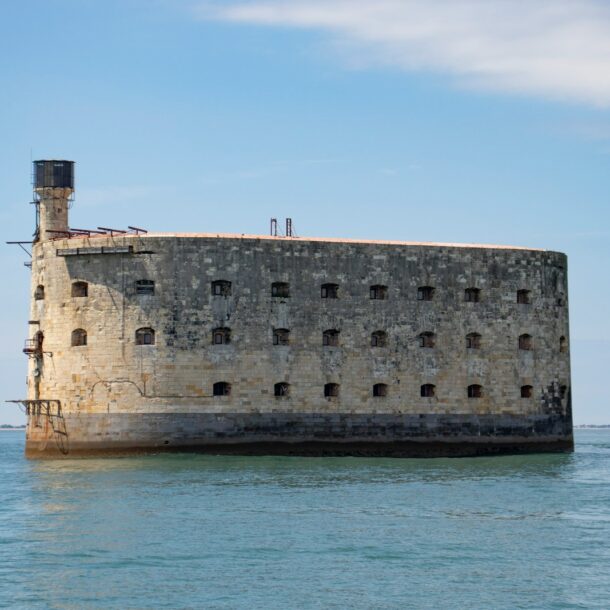
In certain places along the seafront, in clear weather, your gaze catches the horizon and makes out the islands. This feeling of space is a viewpoint in itself: you’re no longer observing only the city, you’re observing its context. The wind, the transparency of the air, the rhythm of the tides… all of this composes a view that doesn’t depend solely on architecture.
If you have a few days, you can organise your stay by alternating urban views (towers, harbour, historic centre) and more open, maritime views, to understand what makes La Rochelle so special: a city turned towards the ocean, yet still on a human scale.
Bonus spot ideas to multiply the angles
Here are a few simple ways to vary viewpoints without necessarily looking for one unique place: walk along the water’s edge until the perspective changes, cross a bridge to get a new angle on the basins, or take the same route again at a different time. La Rochelle is ideal for this game, because distances are short and the atmosphere changes quickly with the light.
If you’d like to round out your itinerary with other must-sees (and find ideas that also lend themselves to hunting panoramas), you can take a look at Top 7 must-see visits in La Rochelle.

Extending the panorama quest around La Rochelle
What’s nice about La Rochelle is that the finest horizons don’t stop at the city limits. In just a few minutes, you can change scale: more beach, more sky, more room to breathe. If you love sunsets over the Atlantic and long lines of sand, the surrounding area is an obvious choice, especially for day trips that perfectly complement the views from the centre.
For seaside-focused inspiration and outings suitable for everyone, see Family beaches of Charente-Maritime.
Between panoramas and briny pleasures: the view can be tasted too
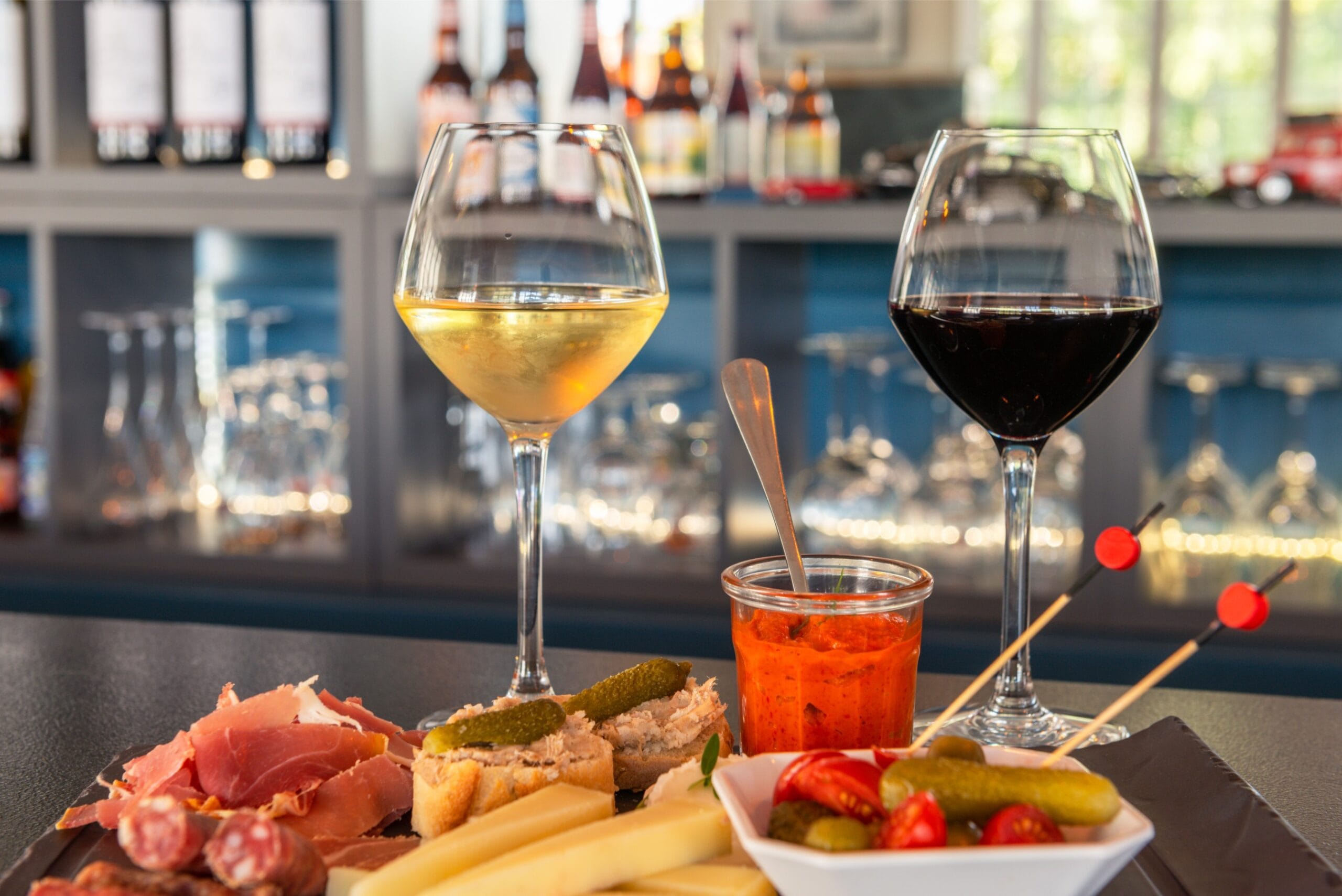
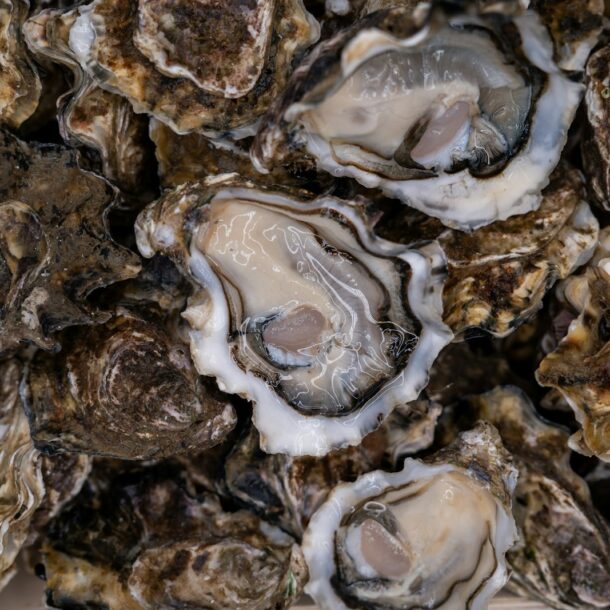
Some viewpoints call for a tasting: a bench facing the water, a return from the market, a simple moment where the landscape blends with flavour. In the region, iodine is as much a culture as it is a taste. And when you come back from a stroll along the quays or watching the sunset, treating yourself to a break with seafood products extends the experience in a very natural way.
If you want to pair the horizon with a local classic, you can plan a stop dedicated to Enjoy oysters in Charente-Maritime.
By bike to find other perspectives: an ideal extension
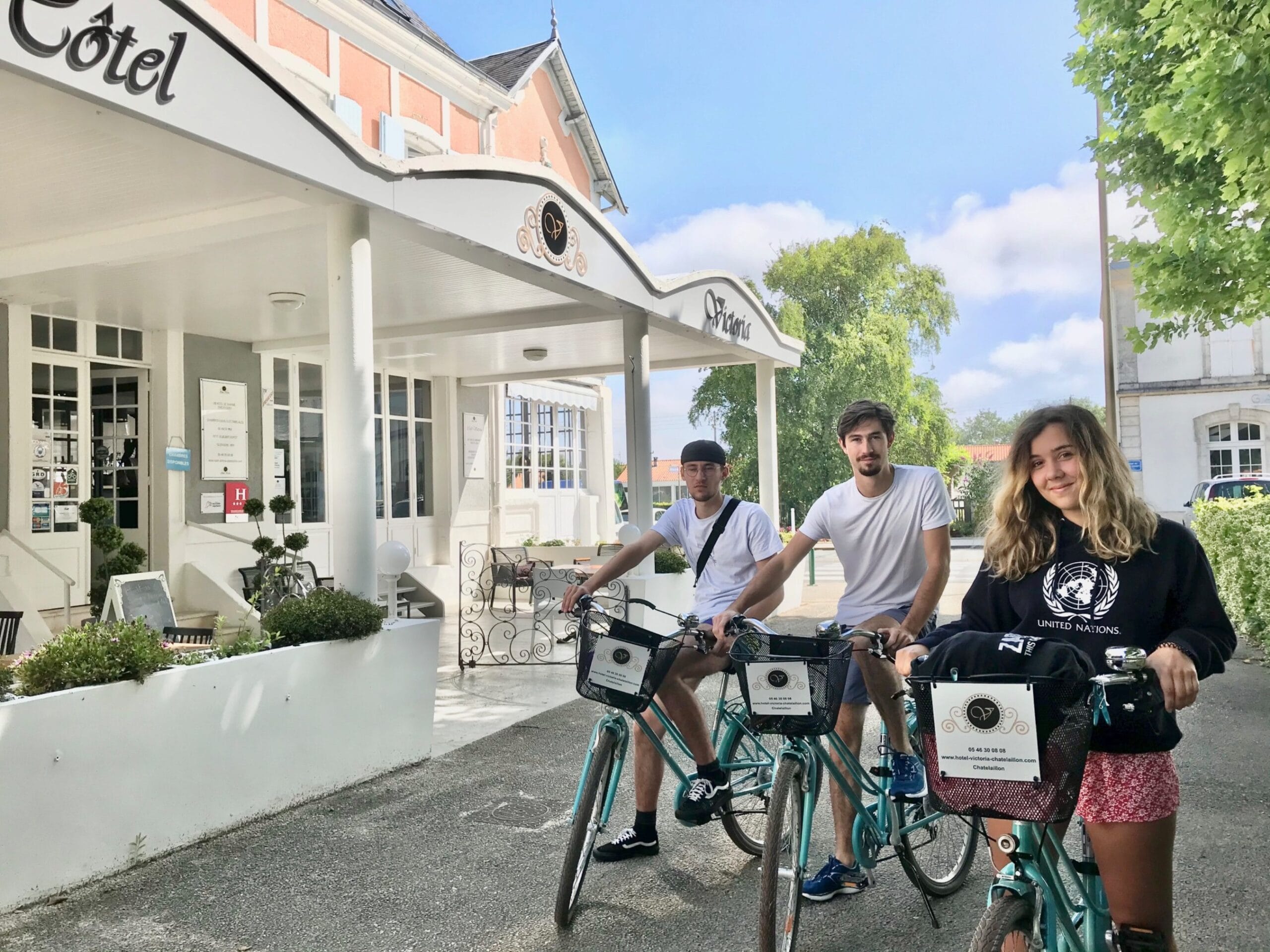
For lovers of views that have to be earned, cycling is a perfect ally: it lets you link more open areas, follow the coast, discover stretches where the sea appears and then disappears with each bend. It’s often on these rides that you come across unexpected panoramas, far from the well-known spots, with a sense of freedom that urban walking doesn’t always offer.
For a concrete outing idea that multiplies horizons, take inspiration from Cycling between Châtelaillon-Plage and Fouras.
As a couple: choosing views that tell a story
The most beautiful viewpoints aren’t necessarily the highest, but those that create a memory: a sunset over Les Minimes, a night walk along the Old Port, a quiet break in a park, a photo under an arch framing the sea. As a couple, what often matters is the atmosphere: soft light, a place where you can stop, and a setting that leaves room for conversation.
Your hotel in Châtelaillon-Plage
If you’re looking for an idea to turn panorama hunting into a getaway for two in the surrounding area, you can consider Romantic stay in Châtelaillon-Plage.
Practical tips: get your views without stress
To maximise your chances of catching the light, keep a few simple habits. First, favour two time slots: morning (reflections, calm, clear air) and late afternoon through to sunset (colours, long shadows, atmosphere). Then, think tides and wind: a horizon can look sharper after rain, and the feel of the air changes radically depending on humidity.
Finally, don’t hesitate to revisit the same spot: the harbour towers don’t look the same at midday, during the blue hour, or on a misty day. In La Rochelle, the backdrop is stable, but the scene changes all the time.
Where to drop your bags to get around easily
To make the most of La Rochelle’s panoramas and the horizons of the surrounding area, the ideal option is to choose a base that makes coming and going easy: the city centre for immediate access to the quays, or nearby by the sea to alternate between urban atmosphere and wide open spaces. If you want to organise a getaway with outings in La Rochelle and breaks along the coast, you can book via Your hotel in Châtelaillon-Plage.
Conclusion: La Rochelle, a city to look at as much as to visit
La Rochelle can be discovered through its monuments and walks, but it is truly understood by taking the time to contemplate it. Between the towers that guard the port, the quays where you walk to the rhythm of the reflections, the more discreet basins, the urban beaches and the openings out to the open sea, viewpoints follow one another without repeating themselves. The secret is simple: vary the hours, change your angle, and let the light do the rest.