
Coastal road trip in Charente-Maritime
road trip charente-maritime
Heading south from La Rochelle: the coastal route that smells of sea air
The Charente-Maritime coastline has that rare talent: combining the big postcard scenes (towers, forts, lighthouses) with simple pleasures (a pint looking out over the harbour, a swim on a rising tide, an éclade shared at a wooden table). The idea of a coastal road trip here isn’t to rack up the miles, but to link atmospheres. An hour’s drive can be enough to go from an old fishing basin to oyster huts, from a big urban beach to a dune path, from a covered market to a silent marsh.
In this article, we’re setting off with a clear guiding thread: follow the coast, take the time for stops, and keep a plan B when the weather turns (spoiler: it happens). Whether you’re driving a car, a van or a motorhome, you can easily adapt the stages. And if you like comparing several suggestions, you can also take a look at this one-week itinerary from La Rochelle to complete or reshape the programme.
Preparing your road trip: the right pace, the right time slots, the right reflexes
The secret is the pace. On the coast, distances seem short, but the detours (viewpoints, harbours, cycle paths, marshes) quickly add time. To enjoy without rushing, allow for two to three main spots per day at most, and accept the idea of improvising: a beach keeps you longer, late-afternoon light makes you want to wait, an oyster tasting turns into an apéritif that drags on.

As for timing, the shoulder seasons are magical: May–June and September offer splendid light, fewer people, and a feeling of space on the beaches. In summer, set off early in the morning and aim for urban visits (La Rochelle, Rochefort) outside the peak times. For the islands, plan ahead: bridges, ferries, car parks and bike rentals can be in very high demand.
Finally, think tides and wind: many spots reveal themselves at low tide (mudflats, fishing huts, foreshore), and the wind can feel chilly even in the height of summer. Pack a windproof layer, and plan something indoors if the sky decides to put on a show.
Stage 1 — La Rochelle: start at the harbour, finish with golden stone
La Rochelle is an ideal start: you park the car, you walk, you snack, you watch. The Old Port in the early morning has a quiet elegance. The towers, the light on the quays, the comings and goings of the boats: everything sets the mood. Take the time to lose yourself in the arcaded streets, to cross through the passageways, to feel the city rather than ticking it off.
For a frankly indulgent (and very local) break, go for a foodie visit of the market halls : perfect for putting together a picnic (cheeses, charcuterie, fruit, seafood specialities) and then heading back out towards the ocean. And if you like gaining a bit of height, keep these panorama ideas in La Rochelle : it’s often at the end of the day that the city becomes the most photogenic.
Your hotel in Châtelaillon-Plage
Stage 2 — Châtelaillon-Plage: a big-beach stopover without complicating your life
Just a few minutes to the south, Châtelaillon-Plage brings an immediate breather. Here, the road trip takes on a seaside flavour: a long beach, a pleasant promenade, swimming sessions when the sea is inviting, and sunsets that linger. It’s a perfect stage for slowing down right from the start, especially if you’re coming from far away and want to switch into holiday mode without racing off too quickly.
The good plan is to arrive in the mid-afternoon, put your things down, and go out for a walk at the time when the beach empties. And if the weather turns, don’t panic: there’s enough to save the day thanks to ideas for activities when it rains, so as to keep the pleasure of the trip intact.
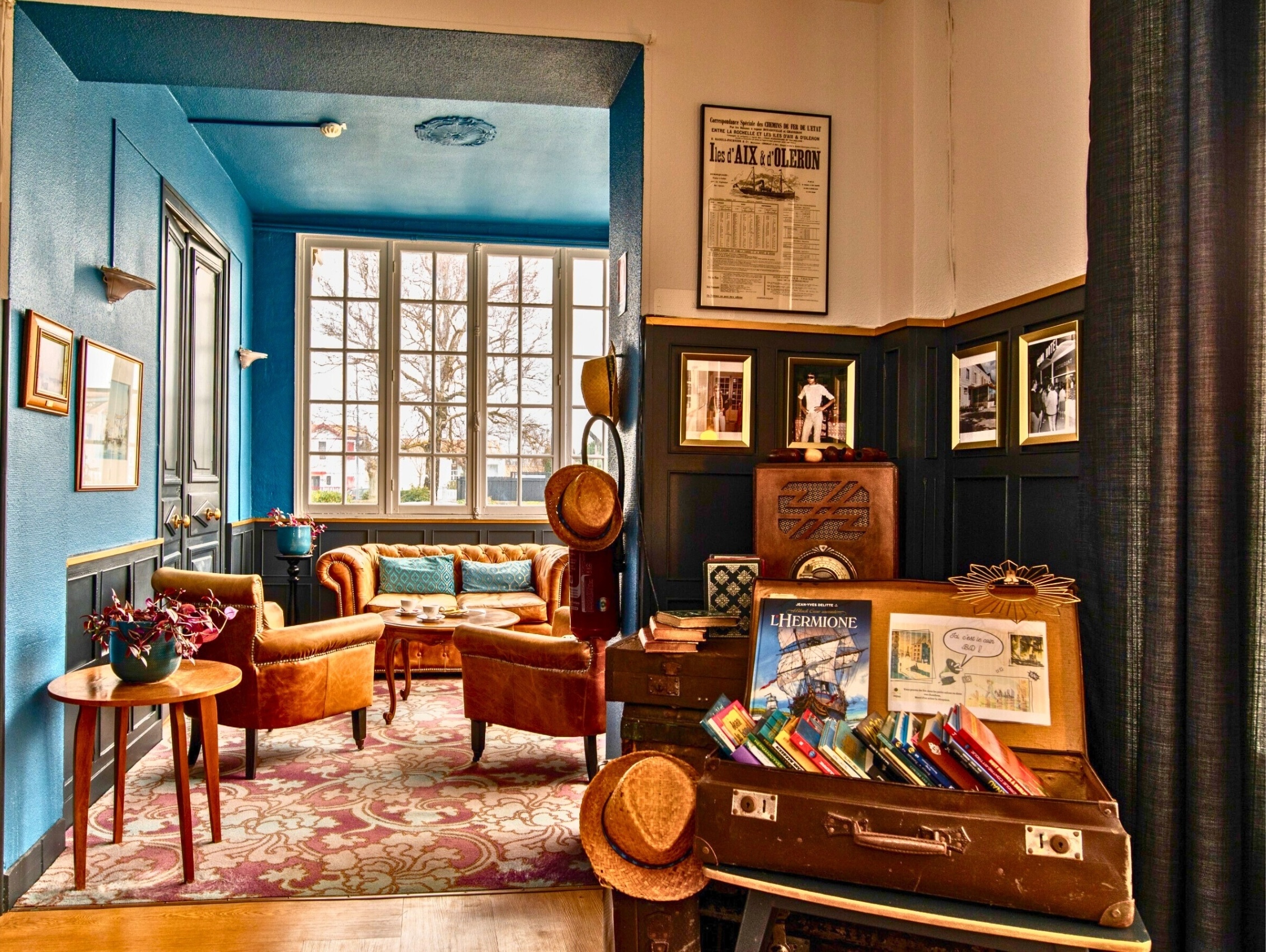
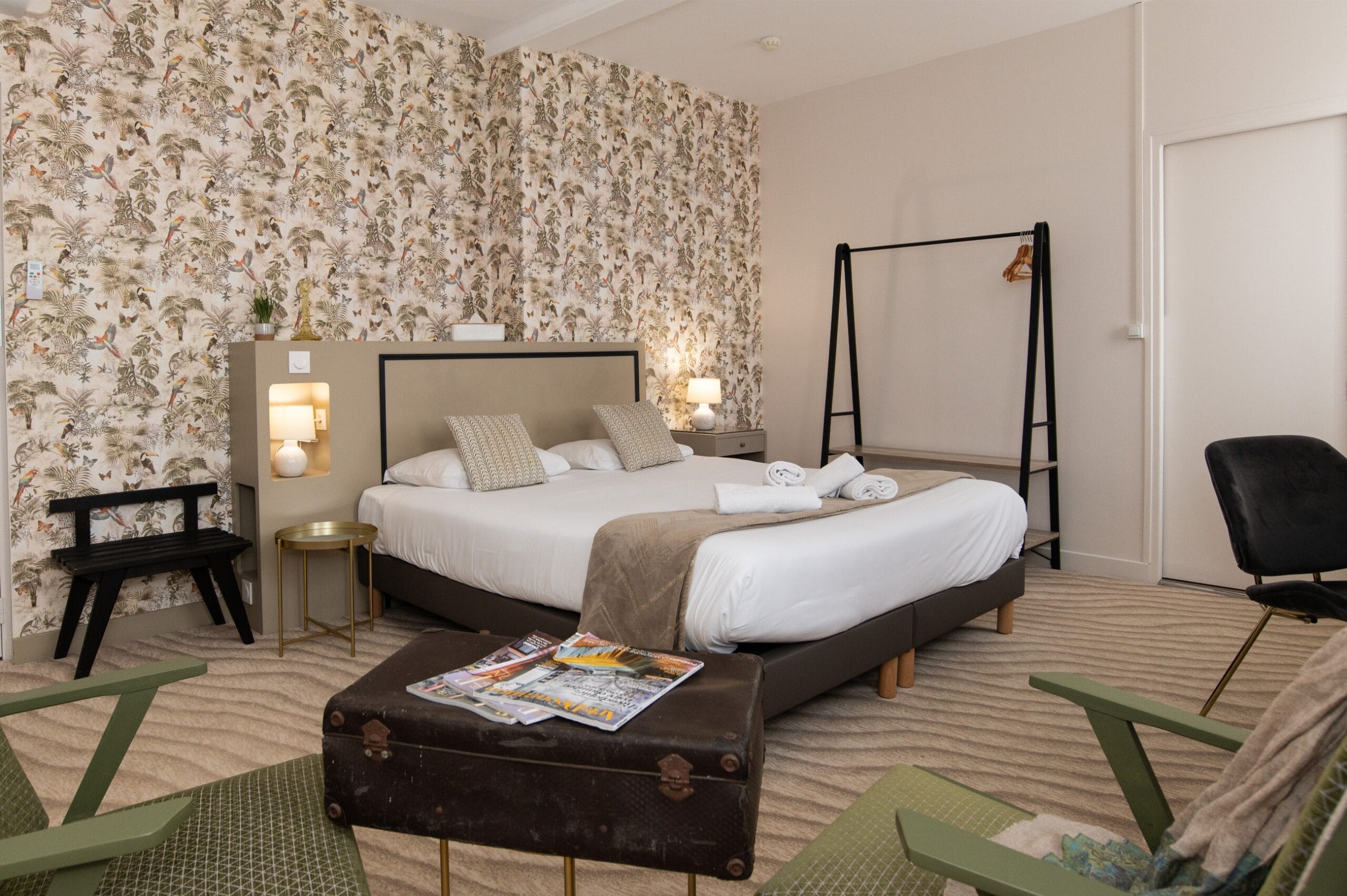
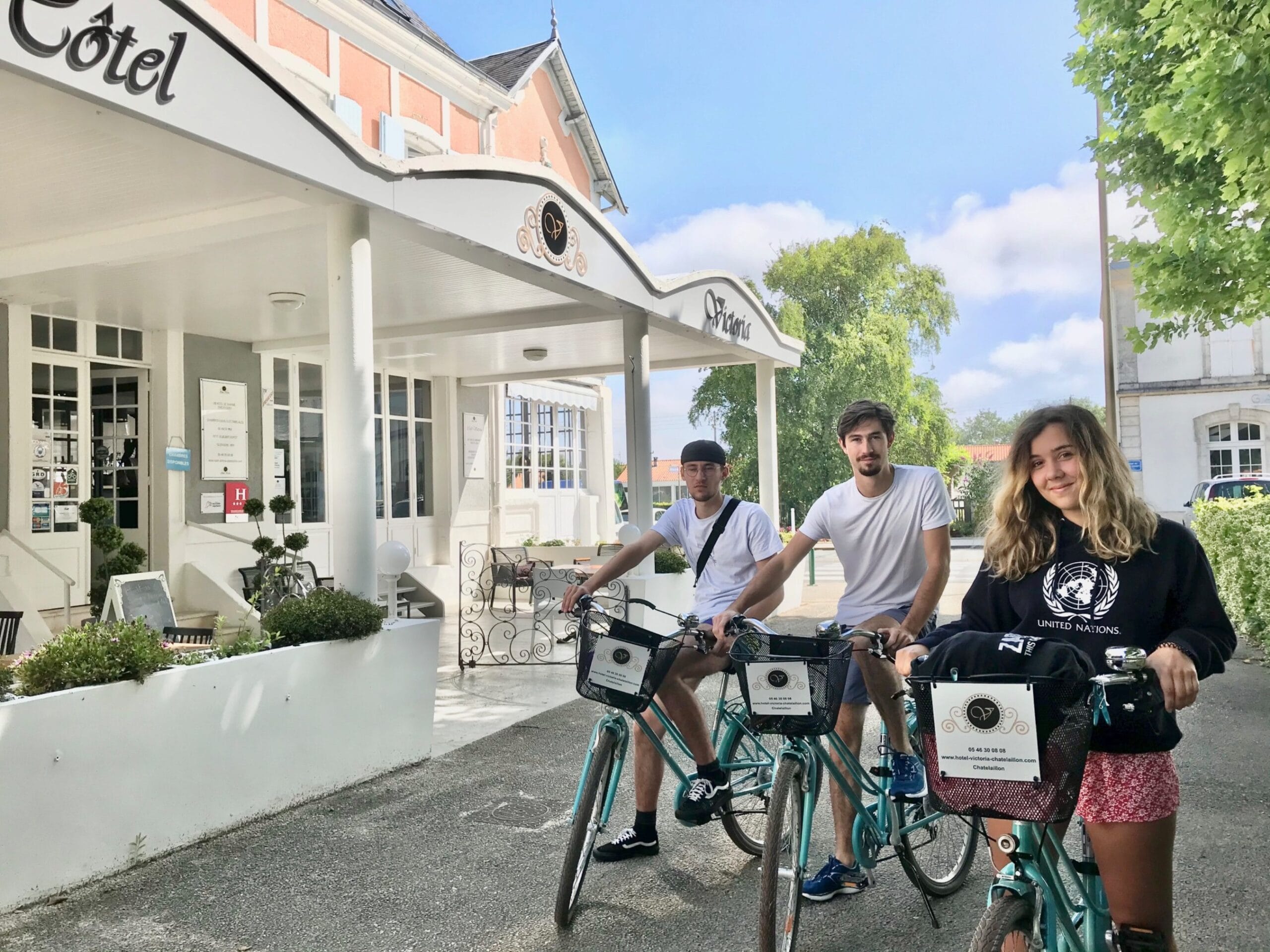
To sleep in the right place (and avoid searching at the last minute), you can plan a hotel in Châtelaillon-Plage : practical for exploring the area, and comfortable for recovering before the more maritime stages.
Stage 3 — Fort Boyard: the detour that always makes an impression
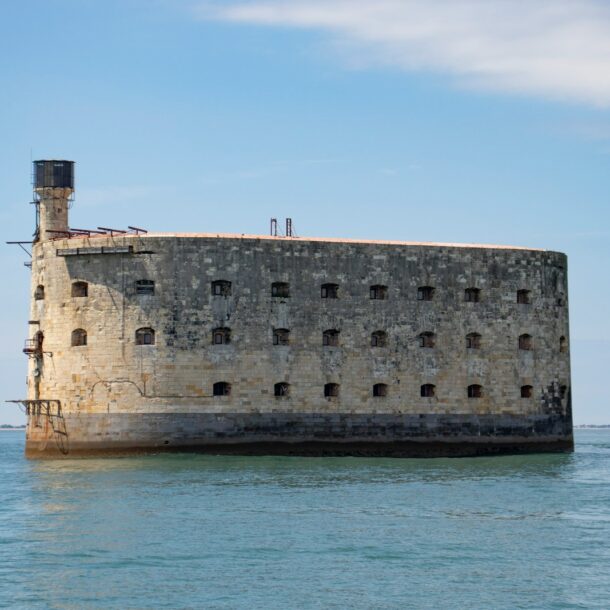
We all have the silhouette of Fort Boyard in mind. Seeing it for real, sitting on the water, changes your perception: it seems both close and inaccessible, almost unreal when the light reflects on the sea. It’s an ideal interlude on a coastal road trip, because it gives a sense of adventure without requiring a huge logistical effort.
To experience this postcard to the full, book a cruise around Fort Boyard from La Rochelle. Depending on the package, you’ll also enjoy views of the islands and a breath of sea air that gets everyone on board, even those who aren’t into boats.
Stage 4 — Fouras and the peninsula: family atmosphere, panoramas and an end-of-the-world feel
Fouras is often a quiet favourite. A human-sized resort, a peninsula that juts out into the ocean, viewpoints that change with every step. It’s an ideal stop if you like places where you can alternate: a moment on the beach, a moment on a terrace, a moment watching the sea without doing anything else.
Here, the tip is to aim for the gentle hours: early in the morning or at the end of the day. The low light gives relief to the rocks, the little coastal buildings, the silhouettes of the islands in the distance. And if you’re travelling with children (or adults who like simple plans), it’s the kind of stop that works every time.

Stage 5 — Rochefort: a heritage breather between two lungfuls of sea air
Rochefort isn’t a beach stop, and that’s precisely what makes it precious: it breaks the rhythm and enriches the trip. Between two stretches of coast, a town with a strong maritime past adds depth. You come for the atmosphere, the architecture, and that feeling of following a thread of history that links land and sea.
Take the opportunity to have a proper lunch break, walk a bit, then set off again towards the marshes and the oyster-farming ports. On a road trip, these breathing spaces prevent the feeling that everything is just blue and give you energy again.
Stage 6 — Marennes-Oléron: the oyster as a compass
From Marennes onwards, the trip takes a deliciously foodie turn. It’s a coast of huts, channels, marshes, and basins where the light is constantly shifting. Even if you’re not a specialist, you can sense that the sea isn’t just a landscape: it’s a trade, a culture, a table.
So you don’t miss the essentials, plan a proper tasting stop. The best is to go in late morning or early afternoon, when you’ve got an appetite and the day can carry on without constraints. If you’re looking for a simple guide to choose, understand and savour, here’s a good resource: where and how to taste oysters in Charente-Maritime.
Step 7 — Île d’Oléron: a day in nature between beaches, forests and harbours
Oléron is best enjoyed in slow mode. The island is large enough to offer varied atmospheres: vast Atlantic beaches, more sheltered spots, cycle paths through pine trees, charming harbours where you mooch around with no particular aim. Ideally, devote at least one full day to it, or even two if you like alternating cycling and swimming.
For a smooth day, choose an axis: morning on the market/harbour side, afternoon on the beach side, and the end of the day in a quieter area. And if you’re travelling in a converted vehicle, plan ahead for parking and service areas, especially in peak season.
Step 8 — The marshes and the small roads: the off-frame that makes the trip unique
Your hotel in Châtelaillon-Plage
What makes Charente-Maritime irresistible is also its transitions: between two beaches, there are marshes, roads lined with reeds, birds, silence. Dare to take the little detours. Sometimes, the best memory isn’t a monument, but a moment: a light on the water, a meeting in a hut, a break by the edge of a channel.
If you feel like widening the horizon even further (without leaving the spirit of the trip), you’ll also find ideas from inland to sea in this inspiration notebook on Charente-Maritime, useful for picking out less obvious detours.
Practical variant: road trip by van or motorhome along the coast
The Charente coast lends itself very well to an itinerant trip, provided you pay attention to local rules and the season. In summer, some coastal areas are very regulated: it’s better to identify authorised sites, avoid searching at the last minute and accept moving a little away from the seafront to sleep peacefully.
For a concrete account and useful pointers (pace, stages, sensations), you can consult this experience report in a motorhome on the coast. And if you’re looking for an approach focused on service areas and route, this dedicated itinerary can help you structure a realistic journey.
How many days should you plan? Three formats that work
3-day format (long weekend) : La Rochelle + Châtelaillon-Plage + a sea outing (Fort Boyard) + a tip out towards Fouras. It’s compact, pleasant, and enough to get a taste of the atmosphere without rushing about.
5-day format : add Rochefort, then a day around Marennes-Oléron (tasting + harbour + sunset). If you like comparing with other nearby destinations, this 5-day road trip in Charente can also provide ideas for extending the trip inland.
7-day format : this is the ideal pace to build in some slack: a day without the car, a day of capricious weather, marsh detours, and at least one full day on Oléron.

On-the-ground tips for enjoying it without stress
1) Aim for the quiet hours. Early in the morning, the harbours are magnificent and the roads are free-flowing. Late in the afternoon, the beaches become more breathable and the light makes all the difference.
2) Alternate between town and nature. Doing nothing but seaside spots can become tiring. A heritage stop (Rochefort), a marsh detour, and your energy comes back.
3) Eat local, simply. Markets, covered markets, oyster shacks: they’re often the best meals of the trip. Favour quality and freshness rather than multiplying restaurants at all costs.
4) Keep a weather plan B. A shower is no disaster if you have a visit, a tasting, a spa moment or a tea room address in reserve.
5) Leave room for the unexpected. Charente-Maritime rewards unplanned stops: a viewpoint spotted by chance, a lesser-known beach, a conversation on a harbour.
Conclusion: a coast to be experienced as much as visited
A coastal road trip in Charente-Maritime is a balance between the iconic and the intimate: La Rochelle for momentum, Châtelaillon to take a breather, Fort Boyard for the thrill, Fouras and Rochefort to vary the textures, Marennes-Oléron for indulgence, Oléron for space. The best itinerary isn’t the one that ticks everything off, but the one that gives you time to love a place longer than expected. And it’s often there, precisely, that the journey becomes memorable.