
Discover the markets of Charente-Maritime
Charente-Maritime markets
Smell the salt, hear the market gardeners: the market experience in Charente-Maritime
In this corner of the Atlantic coast where the air carries as much iodine as the scents of salted butter, the market is not just a place to shop: it’s a living stage. You come to choose oysters shucked to order, compare field-grown tomatoes, taste a cave-warm goat cheese, or chat for five minutes with a producer who knows the weather better than an app. Charente-Maritime has the particularity of offering, within a few kilometres, radically different atmospheres: the port town with its neatly aligned stalls, the covered hall of a market town, the summer market spilling onto the square, and the night markets where you eat on the hoof beneath the fairy lights.
Discovering these markets also means learning to read the territory: the hinterland with its vegetables and poultry, the coastline with its shellfish, the islands with their specialities and their own unhurried way of life. This guide offers you a practical immersion focused on what people actually do on site: where to go, when to go, what to look for, how to taste without getting it wrong, and how to turn your shopping into a travel moment in its own right.

Choosing the right moment: the market as a daily ritual
The best market is not only about location: it’s about timing. Early in the morning, the stalls are full, the fish gleam, the herbs are still freshly cut, and you enjoy a more authentic, less crowded atmosphere. By late morning the mood becomes more festive: you’re more likely to stop for a coffee, a slice of brioche, a few oysters at the counter. At the end of the market, some traders may offer softer prices, but the selection dwindles.
In summer, Charente-Maritime multiplies seasonal and night markets. They are perfect for a relaxed gourmet discovery, but less suited if you are looking for very specific products or the day’s freshest catch. In winter, by contrast, the offer is narrower but often more consistent: people talk more, swap recipes, and you quickly spot the artisans who truly work locally.
Products to track down: your ideal Charente-Maritime shopping list
If you had to come with a short, effective list, start with Atlantic essentials: oysters (Marennes-Oléron foremost), mussels depending on the season, prawns, line-caught or auction-fished fish (ask about origin and fishing method). On land, favour locally grown market vegetables, new potatoes in spring, crisp salads, melons in summer, squashes and mushrooms in autumn.
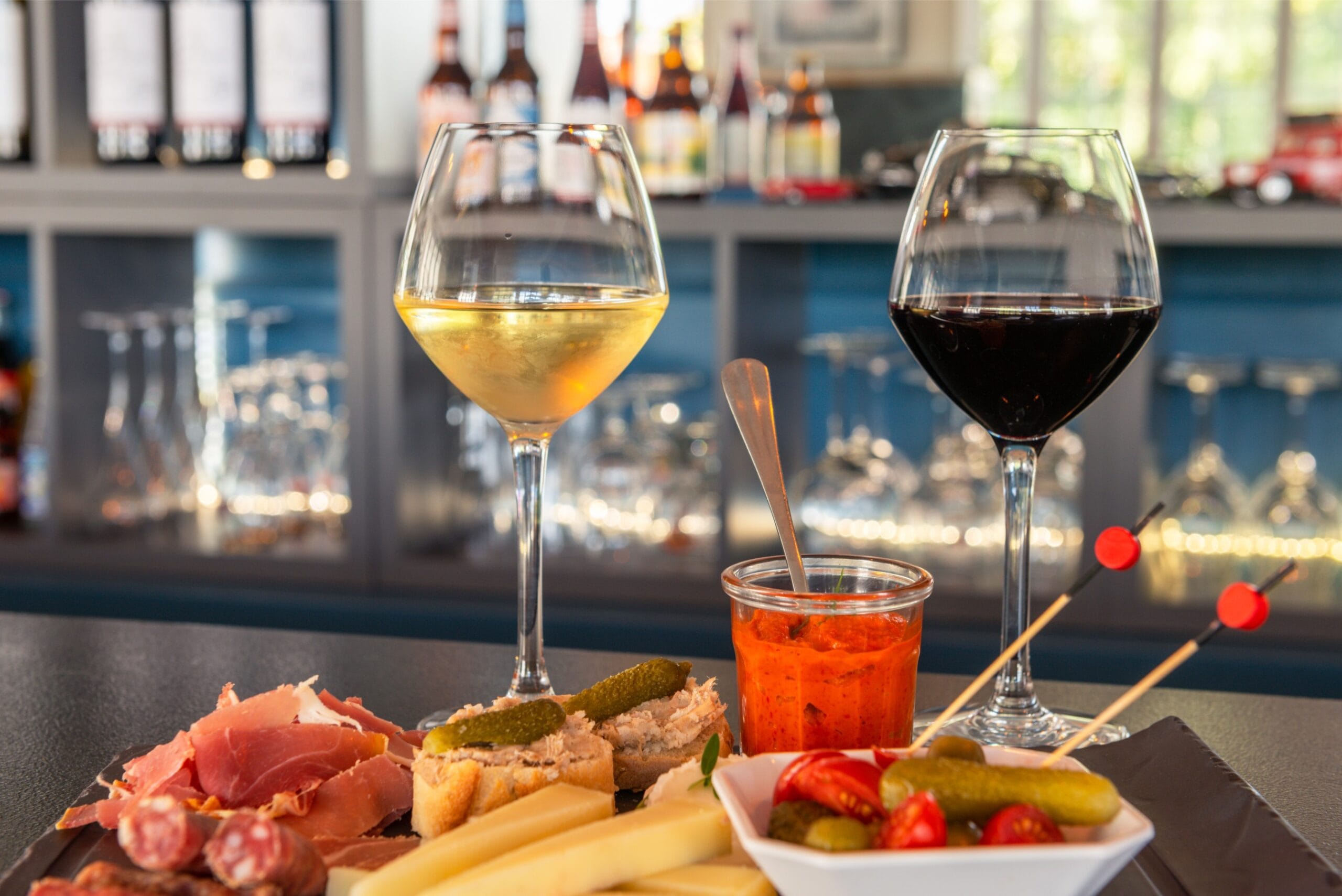
Add an aperitif touch that has made the region’s markets famous: lightly salted butter, rillettes and artisanal pâtés, salt and fleur de sel, goat cheeses, sourdough breads, and a sweet treat (tourteau fromager, Charentais galettes, or another baker’s speciality). Finally, leave room for greens: fresh herbs, garlic, shallots, and a seasonal bouquet. In the market halls, don’t hesitate to ask for cooking advice: fishmongers and oyster growers often give the best tips, those that prevent overcooking and ruining the produce.
Your hotel in Châtelaillon-Plage
La Rochelle: market halls, lanes and tasty breaks between stalls
La Rochelle is a natural stop if you want to feel the life of the department. Its markets combine a local clientele and visitors, creating a lively mix: you will find the expected products, but also more indulgent stalls (spices, treats, deli, regional specialties). A good approach is to do two loops: a first to scout, a second to buy. This avoids impulse purchases and allows you to compare quality, notably for fish and oysters.
To plan a coherent visit (market + walk + breaks), you can also take inspiration from a simple itinerary, designed to optimise the day without rushing: La Rochelle in one day: easy itinerary. The idea is to alternate stall time and walking time: it is often there that the best memories are born, when a tasting becomes a moment, and a purchase becomes a story to tell.
Châtelaillon-Plage: the seaside spirit, from basket to picnic
Châtelaillon-Plage embodies a very Charentais way of experiencing the market: you buy just what you need, then go and breathe. Here, the interest is not only in the stalls, but in the logical follow-up: composing a picnic, a simple lunch, or a salty aperitif. A few fruits, a quality loaf, a piece of cheese, some seafood rillettes, and you have a complete meal without complicated cooking. Coastal markets are perfect for that: they reconcile the desire to eat well with the desire to spend time outdoors.
If you like combining shopping with a big breath of fresh air, one routine works very well: market in the morning, then a walk by the water. To prolong this state of mind, this reading naturally fits into a tide-based programme: Morning walk on Châtelaillon-Plage beach. The market then becomes the start of the day, not the sole objective.
Markets by season: the same region, four moods
Spring: freshness, colours, first aperitifs
In spring, the markets fill with tender greens and sun‑kissed produce. People look for asparagus, radishes, early strawberries, fresher cheeses and aromatic herbs that enliven simple cooking. It’s the ideal season to taste without weighing oneself down: composed salads, grilled fish, open sandwiches and fruity desserts. The atmosphere is often light, as winter is left behind and one rediscovers the pleasure of strolling unhurriedly.
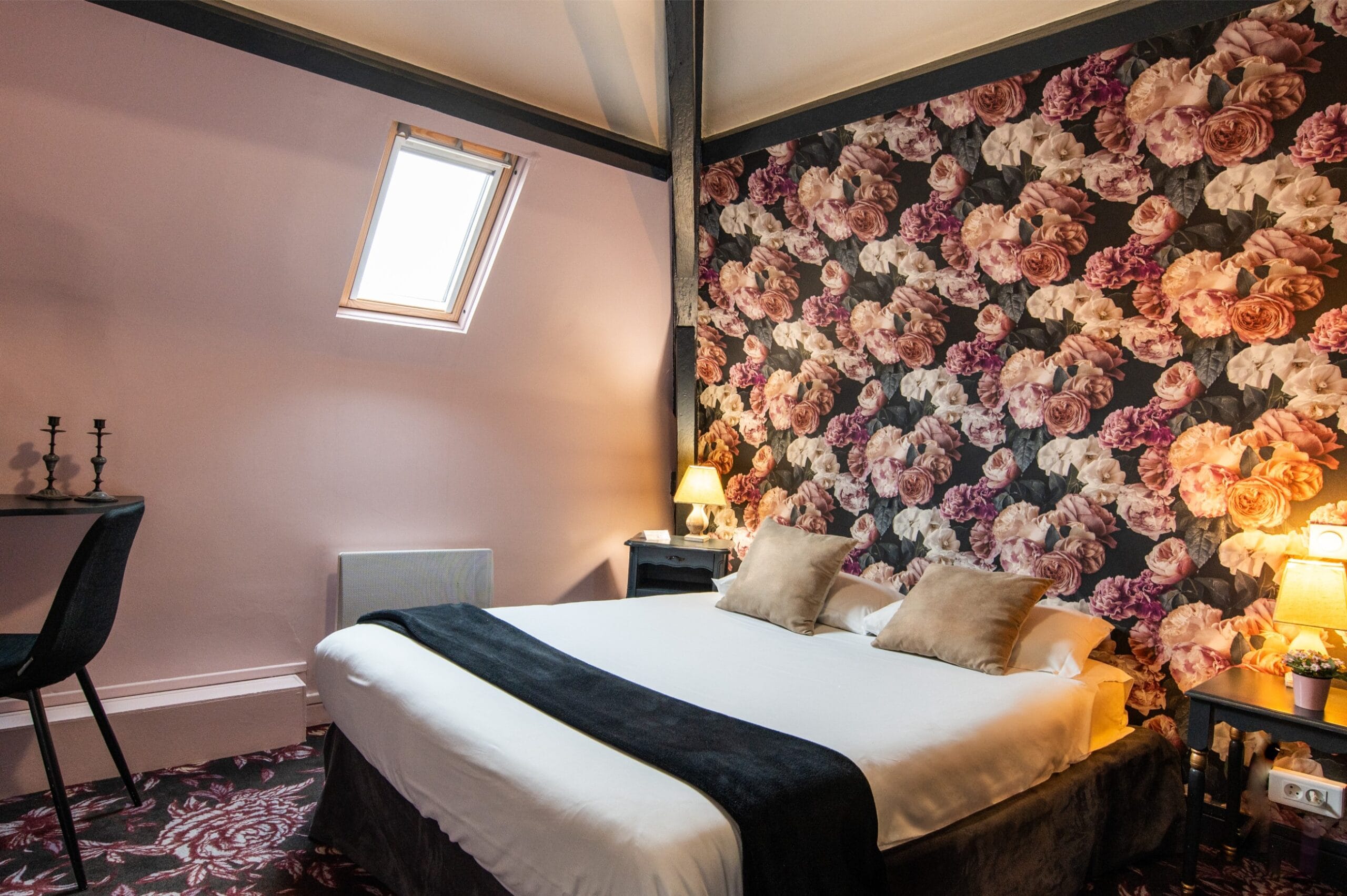
If you’re planning a getaway at this time, the coastal energy is fully felt, and you can complement the experience with suitable outing ideas: Châtelaillon-Plage in spring: a light atmosphere.
Summer: abundance, evening markets and quick‑cook cuisine
Summer is abundance. Stalls overflow, tourists arrive, and markets sometimes take on a festive air: music, takeaway stalls, tastings on the go. It’s the best season for putting together quick meals: heritage tomatoes, peaches and apricots, melon, basil, cheeses, artisanal cured meats, and everything for sharing. Seafood becomes the obvious choice: you buy, you cook quickly, you enjoy for longer.
To stay in this very briny, simple‑pleasure vibe, you can extend the theme with: Summer in Châtelaillon-Plage: salty moments. Summer in Charente‑Maritime is often lived as market + beach + convivial table.
Autumn: the return of mushrooms, squashes and deeper flavours
When the crowds thin, markets become more local again. Autumn is an underrated season: the produce is superb, temperatures pleasant, and people cook more. You’ll find a variety of squashes, leeks, apples, walnuts, grapes, and sometimes excellent mushrooms depending on the area. It’s also the ideal moment to buy artisanal preserves, confits, terrines, and anything that lets you bring a little of Charente‑Maritime back into your cupboards.
Winter: quieter markets, longer conversations, cosseting pleasures
Winter transforms the markets: fewer seasonal stalls, but a real concentration of know‑how. You look for good fish, quality oysters, citrus fruit, root vegetables, soups, and hot deli dishes. Above all, you take your time. The relationship with traders becomes simpler, more direct: you can ask for a recipe, a pairing, a tip to get a cooking just right.
If you like to travel off-season, when the coast breathes and things are savoured differently, you'll find additional ideas here: Mild winter in La Rochelle: cocooning ideas.
Covered halls, open-air markets, night markets: how to choose?
Your hotel in Châtelaillon-Plage
Covered market halls are ideal for consistent quality and a gourmet experience: fishmongers, butchers, cheesemongers, bakers, delicatessens, sometimes tables to eat on the spot. You are sheltered, the choice is concentrated, and you can assemble a complete basket without covering lots of miles.
Open-air markets, by contrast, excel for fruit and vegetables, direct producers, plants and flowers in spring, or craft stalls. They feel livelier: you stroll, meet neighbours, and are more likely to stop at a product by chance.
Night markets are perfect if you want to eat on the move: shareable portions, world cuisine, grills, oysters, crêpes, sweet treats, sometimes concerts. However, if your aim is to cook the next morning, it’s better to favour an early-morning market or a covered hall.
Good habits on site: buy better, waste less
A successful market trip isn’t a basket that’s too heavy: it’s a coherent basket. Before buying, ask yourself three simple questions: When will I eat this?, How will I cook it?, Do I have a way to store it?. For seafood, bring a cooler or an insulated bag if you’re not close to your accommodation. For very ripe fruit, plan ahead: they’re delicious the same day, but fragile.
Also dare to ask. A good trader prefers to explain rather than see a product misused. Ask how best to open oysters, the ideal cooking time for a fish, or the variety of a tomato. The more you talk, the more the market becomes an encounter, and the less you buy blindly.
Turn your purchases into souvenirs: simple and very local ideas
You can bring back far more than a simple bag. A few easy ideas: an assortment of artisan preserves (fish, spreads), a selection of regional biscuits, a producer’s jam, a sachet of salt or culinary seaweed, or a small complete aperitif basket (bread, cheese, charcuterie, and a seafood speciality). Markets are also an excellent place to spot useful, authentic items: an oyster knife, a board, a tea towel, a small ceramic piece.
And if you’re lucky enough to cook on site, opt for simple dishes that let the ingredients shine: baked fish with lemon and herbs, moules marinières, tomato and basil salad, mushroom omelette, root vegetable soup. Charente-Maritime is to be enjoyed without fuss.
Organise your stay around the markets: sleep in the right place, explore easily
The best strategy is often to choose a pleasant base, then head out to different markets depending on the day and your mood: one day more urban, one day by the sea, one day with producers. This avoids long unnecessary journeys and gives you time for what matters: strolling, tasting, relaxing.
If you’re planning a getaway to Châtelaillon-Plage and want to schedule your market mornings and peaceful evenings, you can book your accommodation here: Your hotel in Châtelaillon-Plage.
Key takeaway: the market as a living portrait of the area
Discovering the markets of Charente-Maritime means understanding a region through its daily practices. The fisherman advising a short cooking time, the vegetable grower talking about her soil, the smell of hot bread, the rustle of bags, the conversations at an oyster stall counter: all of this tells as much about the coast as the landscapes. By alternating between indoor halls, open-air markets and seasonal events, you build a mosaic of very different experiences, yet linked by the same obvious truth: here, people love to eat well, fresh, and together.