
Discover the fishing ports of Charente-Maritime
fishing ports Charente-Maritime
A coast told to the rhythm of the tides
From the Gironde estuary to the straits that encircle Ré, Oléron and Aix, Charente-Maritime reveals itself through its quays. Here, fishing ports are not merely landing points: they are places of life where boats, fish merchants, fish auctions, repair workshops, oyster-farming huts, morning cafés and end-of-day markets meet. Each port has its silhouette, its scent of iodine, its particular light, and above all its very own way of linking the sea to the plate.
For a curious traveller, the aim is not to see everything, but to understand what you are looking at: why a basin is sheltered, how a lock controls the water level, what the colours of the buoys mean, why some areas are dominated by oyster farming and others by trawlers. By following the ports, you trace the thread of a maritime identity shaped by adaptation, know-how and pragmatism.
La Rochelle: the great maritime stage, between fishing and the urban horizon
La Rochelle naturally stands out as a key stop. Its image is often associated with the Old Port and its towers, but fishing plays a very real role there—more discreet, more technical, and fascinating to observe. You can sense the organisation of a large coastal city: logistics, flows, manoeuvring areas, safety, port activities separated by basin.

To explore this aspect in more depth without settling for a quick overview, the most direct resource remains the site dedicated to Fishing Port in La Rochelle, which helps you better grasp the professional ecosystem: jobs, port areas, working environment and economic role. On site, observation is all the more interesting early in the morning, when activity is more readable: refrigerated vehicles, pallets, crates, handling, ships coming and going.
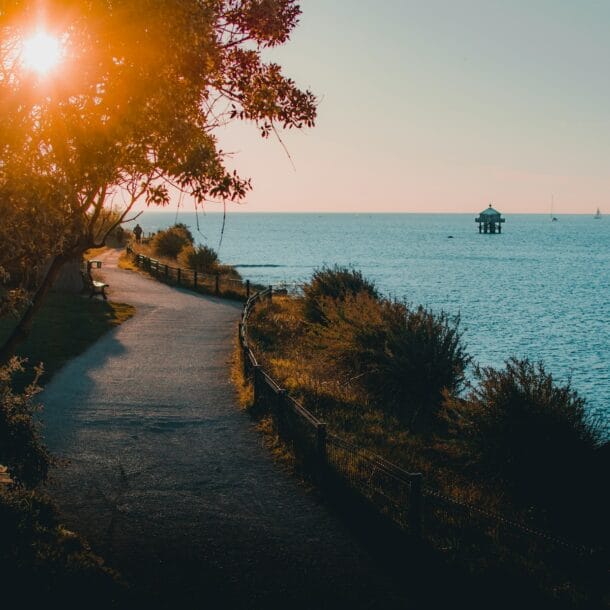
If you like to complement the visit with a more contemplative approach, the city also offers elevated points and angles that help you to 'read' the coastline and the geography of the basins: breakwaters, viewpoints, views over the channels. To plan a photo walk or a route on foot, you can take inspiration from Best viewpoints in La Rochelle.
Observe, understand, respect: the right reflexes in active areas
In areas genuinely dedicated to fishing, avoid getting in the way of manoeuvres, keep your distance from equipment and unloading zones, and refrain from crossing barriers. It is obvious, but it changes everything: you enjoy it more, you disturb less, and you discover more by taking the time to watch the professionals at work.
From sea to estuary: the ports that structure the Charente coastline
Charente-Maritime has the particularity of mixing several port 'worlds': large urban complexes, small channel ports, estuary ports, and a multitude of hybrid sites where oyster farming sits alongside fishing. Added to this is a geography of straits (the arms of sea between the islands and the mainland) which influences currents, sedimentation and natural shelter. The result: you quickly move from a very lively quay to a more intimate port, where life seems governed by tide times.
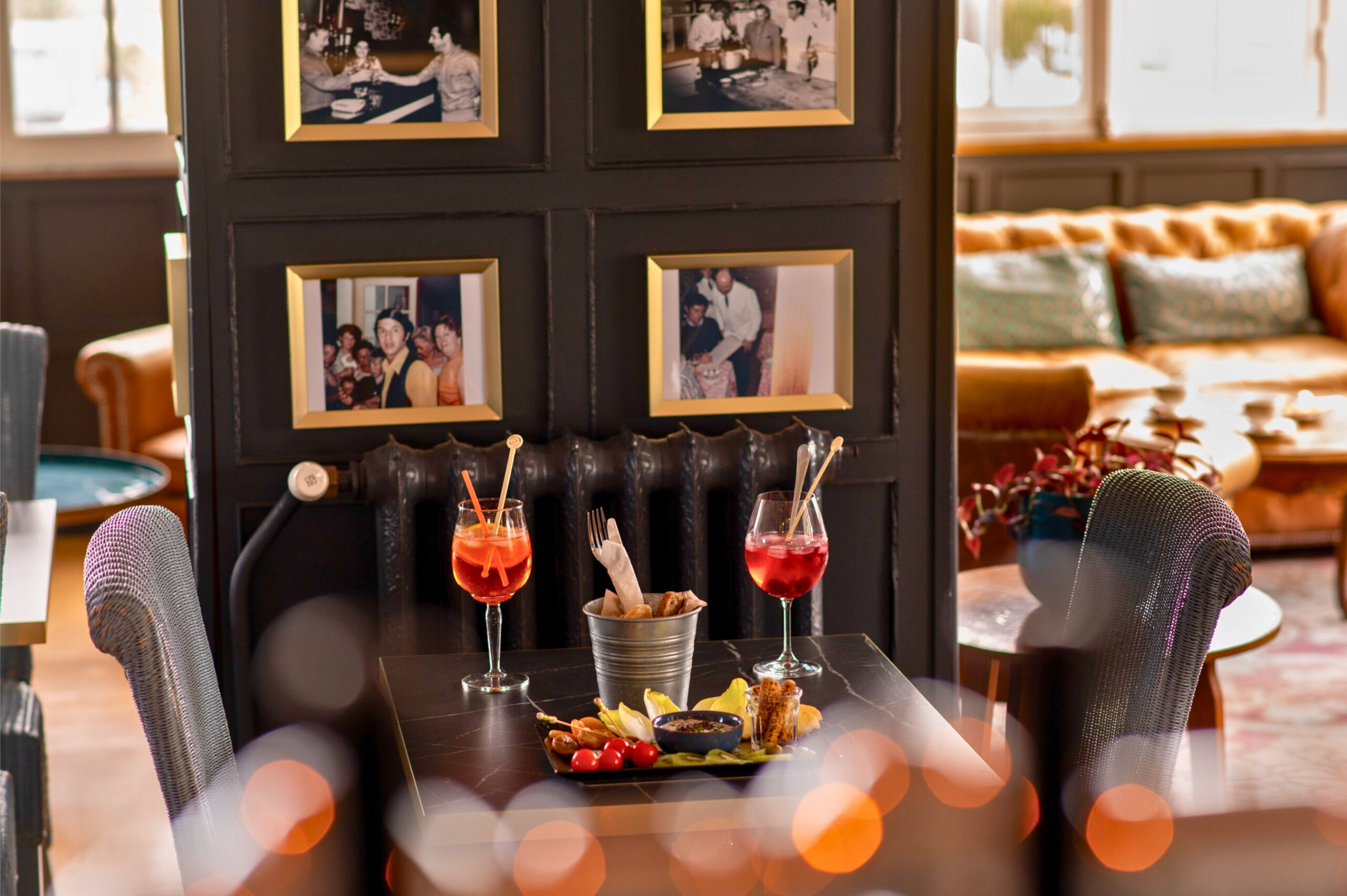
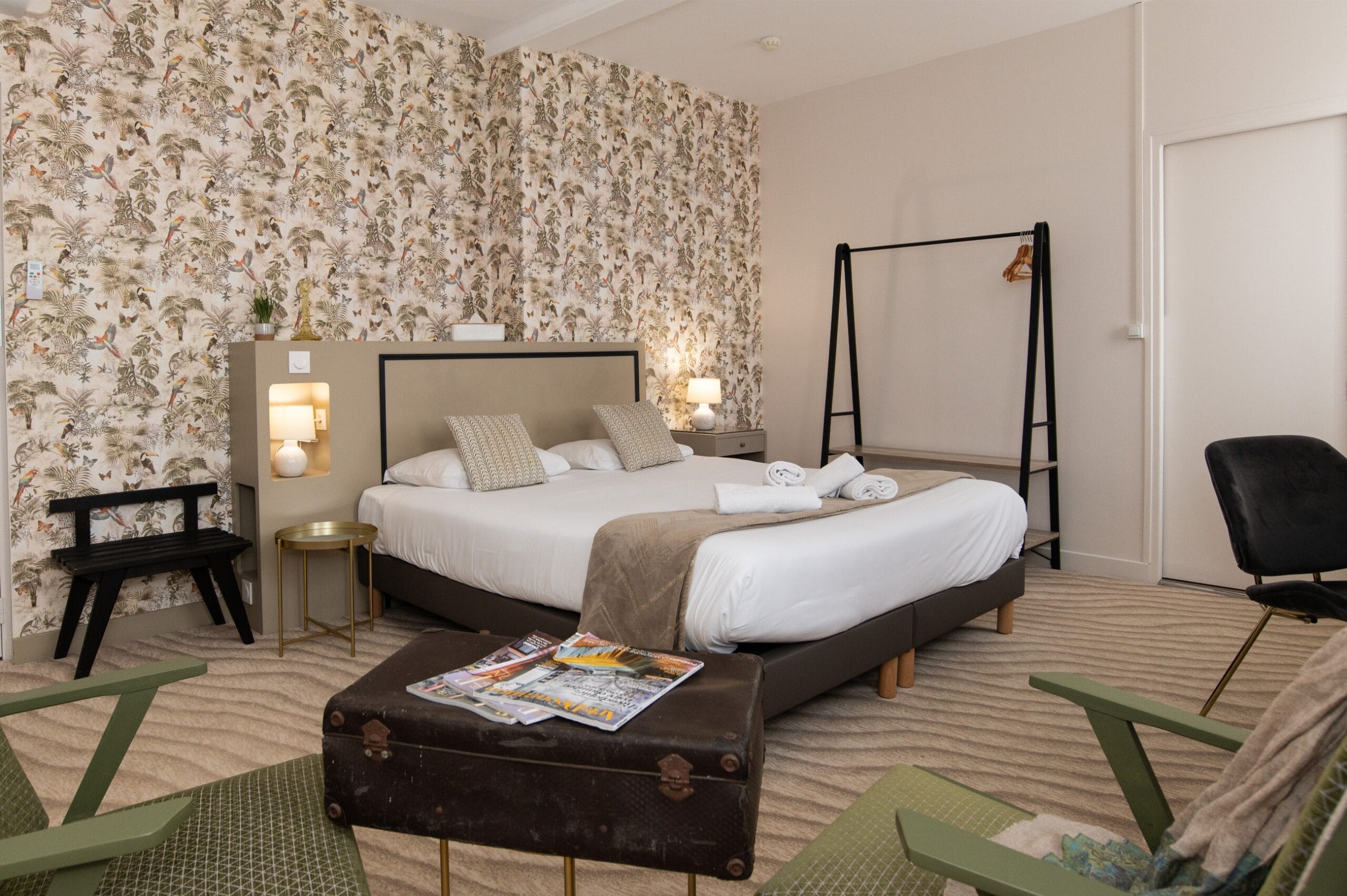
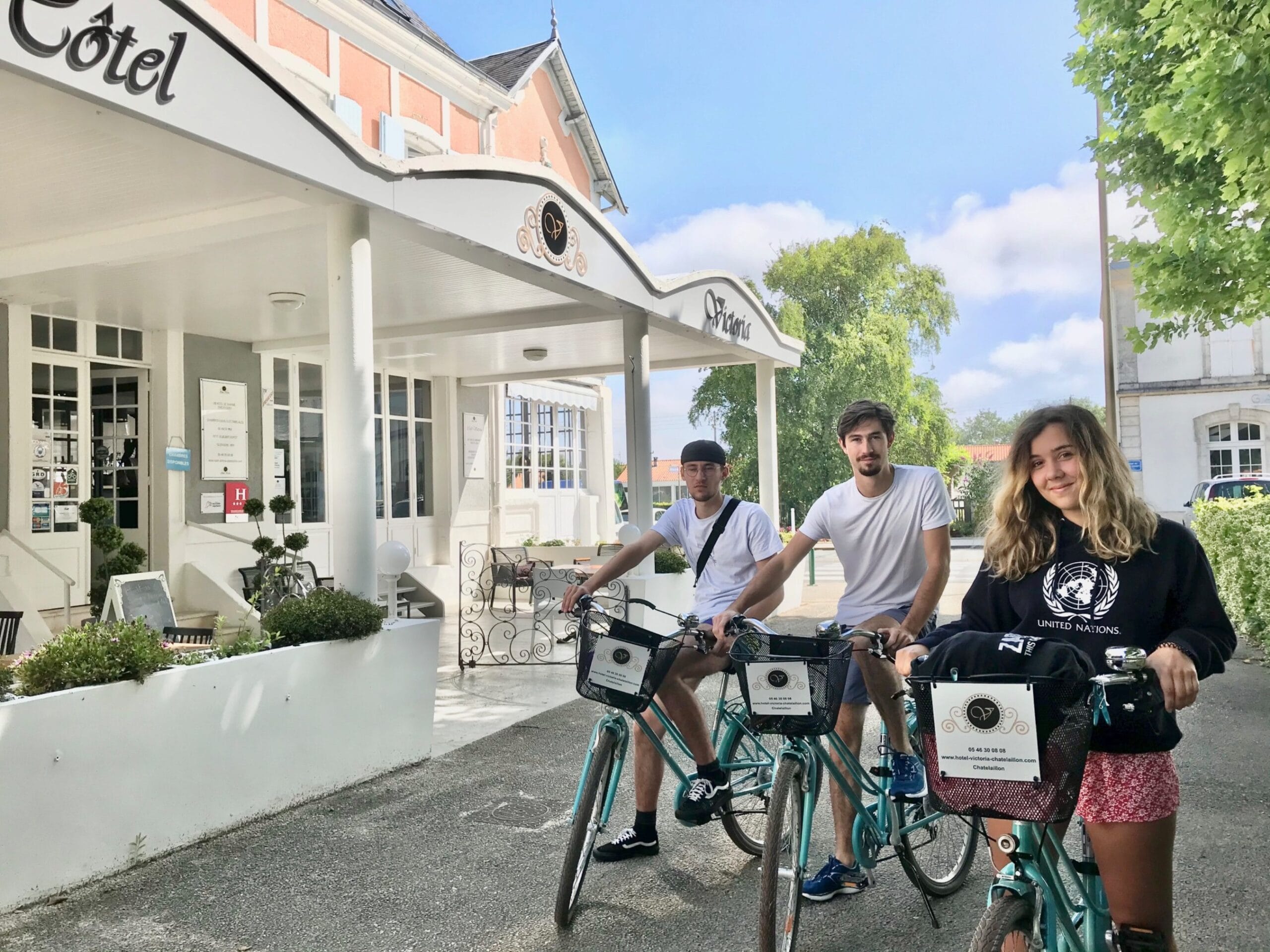
Your hotel in Châtelaillon-Plage
To place these locations within a broader framework, a good starting point is to consult an overview of landing infrastructures at regional scale. The directory Ports and landing points in Nouvelle-Aquitaine helps to understand how Charente-Maritime fits into a wider network: landing points, complementarities, and supply-chain logic.
The ports of the island of Oléron: the spirit of channels and marshes
Oléron is not just a seaside destination: it is a working island, shaped by channels, marshes and a long tradition of marine farming. Here, the ports can be read in the landscape: a narrow entrance, low banks, huts, small pontoons and lines of boats adapted to local constraints.
The Oléron charm lies in this proximity between the visitor and the activity. At certain times, you can see boats returning from sea, sometimes modest, but very tangible: sorting, washing, crates, quick exchanges. These are not always big spectacular scenes, rather a collection of details that tell the story of a human-scale coastal economy.
What to taste, what to look for, what to ask?
On market stalls and in fishmongers’ close to the ports, the point is to break out of automatic habits. You can ask for the fish of the day , take an interest in seasonal species, and favour simple preparation advice: short cooking, plancha, court-bouillon, or roasting. Charente-Maritime lends itself well to straightforward, minimally processed cooking that respects freshness.
Royan and the estuary: another sea, broader, more changeable
To the south, the Gironde estuary sets a different atmosphere. The body of water is more expansive, the light more shifting, and navigation there requires particular attention: currents, sandbanks, changeable weather. The ports in this sector tell of the link between ocean and estuary, between shelter and openness.
For the visitor, it’s a perfect ground for understanding the diversity of practices: depending on conditions, you don’t work the same areas, you don’t target the same species, and schedules follow a different rhythm. You also sense a kind of grand scale here: the horizon seems deeper, and the coast reads in long curves.
The more discreet ports: those that set the authentic tone

What makes Charente-Maritime endearing are also its lesser-known ports, sometimes away from the main tourist flows. You come for the atmosphere: a creaking quay, a slipway, a row of nets, a few pots, birds patiently waiting for the end of operations. That’s where you understand that maritime culture is not a backdrop: it simply carries on, day by day.
If you are looking for a broader selection to build your itinerary and compare atmospheres, you can consult The most beautiful ports in Charente-Maritime. The point is to mix and match: an emblematic port, a channel port, a port backed by the marshes, and a more urban port.
Understanding local fishing: seasons, species and the realities of the job
Discovering the ports also means accepting that not everything is visible at the same time. Activity varies according to the weather, swell, the resource, quotas, boat maintenance, and the season. Some days, the port seems quiet: that’s not necessarily a sign of absence, but sometimes a safety choice, a tidal constraint, or a different sales day.
The species on the stalls evolve as well. Rather than looking for a fixed list, the right reflex is to take an interest in the catch of the moment, sizes, origin, and the method of capture. Asking a question of the fishmonger or fish merchant turns the purchase into a mini-lesson in the area.
Recreational fishing around ports: a regulated and fascinating practice
Charente-Maritime also attracts those who like to fish from the shore : from a sea wall, a jetty, a slipway or the edge of a channel. Around ports, the temptation is great, but rules and customary practice are essential: some areas are prohibited, others dangerous, and port schedules must always take precedence. In addition, knowledge of species and suitable techniques (lures, baits, rigs) makes the experience more respectful and more effective.
To prepare your outings with structured information, you can consult Discover the Fishing Routes of Charente-Maritime, useful for spotting sectors, understanding access conditions, and planning according to your level.
Special case: fishing near a marina
Leisure areas are not wasteland : they are subject to specific rules, and cohabitation can be delicate (mooring lines, boat traffic, private areas, snagging risks). If you would like a very practical approach to what can be done and where, the page Marina – Where and what to fish? provides useful insight, particularly to avoid the classic mistakes.
Your hotel in Châtelaillon-Plage
A typical day to explore several harbours without rushing
To enjoy without just skimming over things, the ideal is to plan a loop day: one harbour early in the morning (for the activity), a second around midday (for the atmosphere, the stroll, the market), then a third in the late afternoon (light, returns, an aperitif on a terrace). Between stops, favour coastal roads and detours through the marshes, because they are what explain the shape of the harbours and the positioning of the huts.
If you like ready-made itineraries, with ideas for stops and landscapes, the simplest option is to rely on Coastal road trip in Charente-Maritime, then integrate your port stops according to your wishes (photo, tasting, visit, walk).
Between harbours and maritime experiences: extending the discovery on the water
Understanding a harbour is good; seeing it from the sea is even better. A boat trip immediately changes your reading of the area: you perceive the alignments, the channels, the current zones, the natural protections, and the relationship between islands and the mainland. Even without a technical objective, sailing gives meaning to what you then observe at the quay.
In this spirit, an emblematic excursion helps link imagination and geography: Cruise around Fort Boyard from La Rochelle. It’s also a pleasant way to alternate harbour visits and time offshore, without multiplying car journeys.
Where to stay to easily explore between harbours
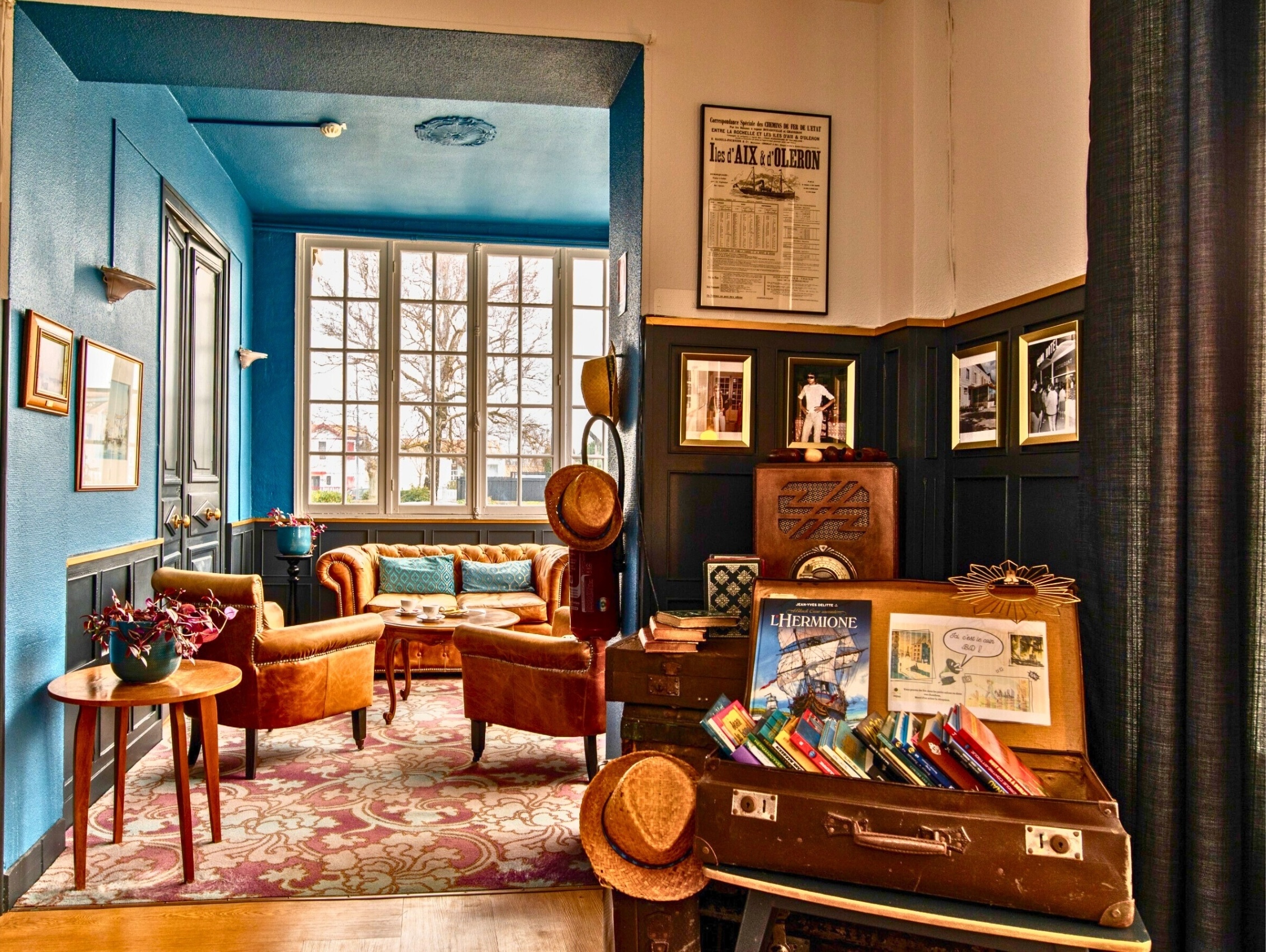
To explore several sites without covering long distances every day, the idea is to choose a central base, close to the main roads and the coast. Châtelaillon-Plage, thanks to its location, lets you quickly reach La Rochelle, the pertuis and many harbour stops, while enjoying a human-scale seaside resort.

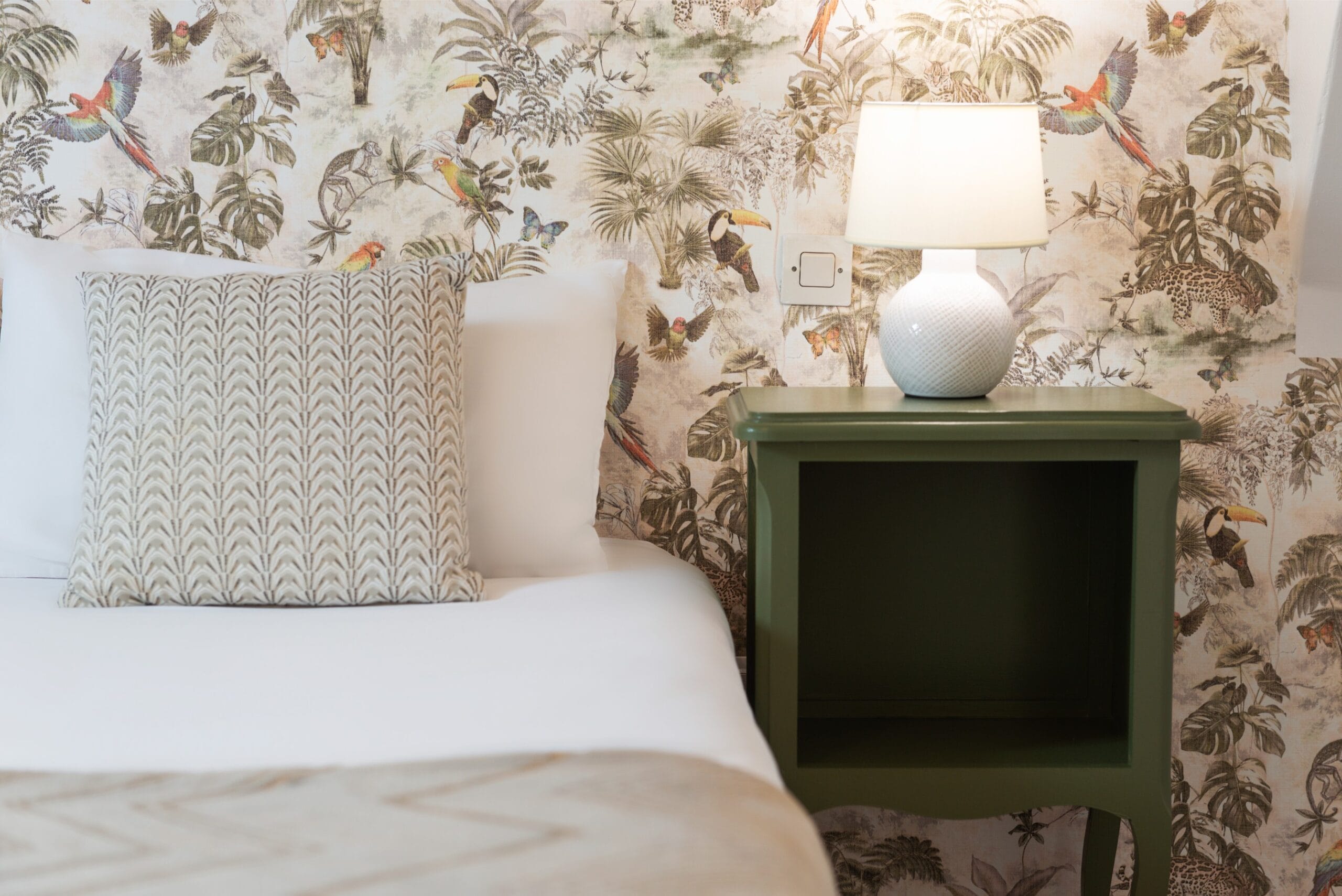
If you’d like to plan your stay around a comfortable base, you can book via Your hotel in Châtelaillon-Plage. And to add a relaxing interlude between two days of walking along the quays, the page Wellness and thalassotherapy near Châtelaillon-Plage offers simple ideas to recover while staying in the ‘seaside’ spirit. .
What to do if the weather gets involved?
The Atlantic coast is generous, but not always compliant: squall, drizzle, strong wind… And that’s precisely when you appreciate the local maritime culture, very used to adapting to the weather. When the sky closes in, you can swap a long walk for more sheltered activities: discovering the covered market halls, a gourmet break, visits, or wellness moments. You can also choose a more sheltered harbour, a channel, or a site where you can get around easily without being exposed.
So you don’t lose a day and keep good ideas to hand, 🌧️ What to do in Châtelaillon-Plage when it’s raining? offers relevant alternatives when walking along the quays becomes less enjoyable.
Practical tips for a more authentic (and tastier) discovery
To get the best out of fishing ports, a few habits change everything. First, come early: the morning reveals more activity and avoids the set dressing effect. Then, vary the places: a very touristy port can be superb, but a more modest port sometimes tells everyday life better. Finally, buy and cook simply: fresh produce doesn’t need artifice, just respect and precision.
Last tip: take the time to look at the map and the tides. In Charente-Maritime, the water level transforms the ports, uncovers mudflats, reshapes reflections, and completely changes the atmosphere of the same quay. Coming back to the same place at two different times can give the impression of having visited two distinct ports.
What the ports of Charente-Maritime leave in memory
Beyond the boats and the stalls, what we often remember are very simple images: a hull drying on the mud, a conversation between regulars, a net being folded, a basket of seaweed, the low-angled light on a channel. Discovering these ports means accepting a form of useful slowness: the kind that lets you hear the land, understand its constraints, and savour its generosity without consuming it too quickly.
Your hotel in Châtelaillon-Plage
And that may be the essential thing: in Charente-Maritime, fishing ports are not ticked off a list. They are frequented, observed, respected. Then you return to them, often, because they make you want to follow the coast a little further, to the next quay, to the next tide.