
Culinary specialities of La Rochelle
La Rochelle culinary specialities
A taste of the open sea as soon as you arrive: iodine, butter and pineau
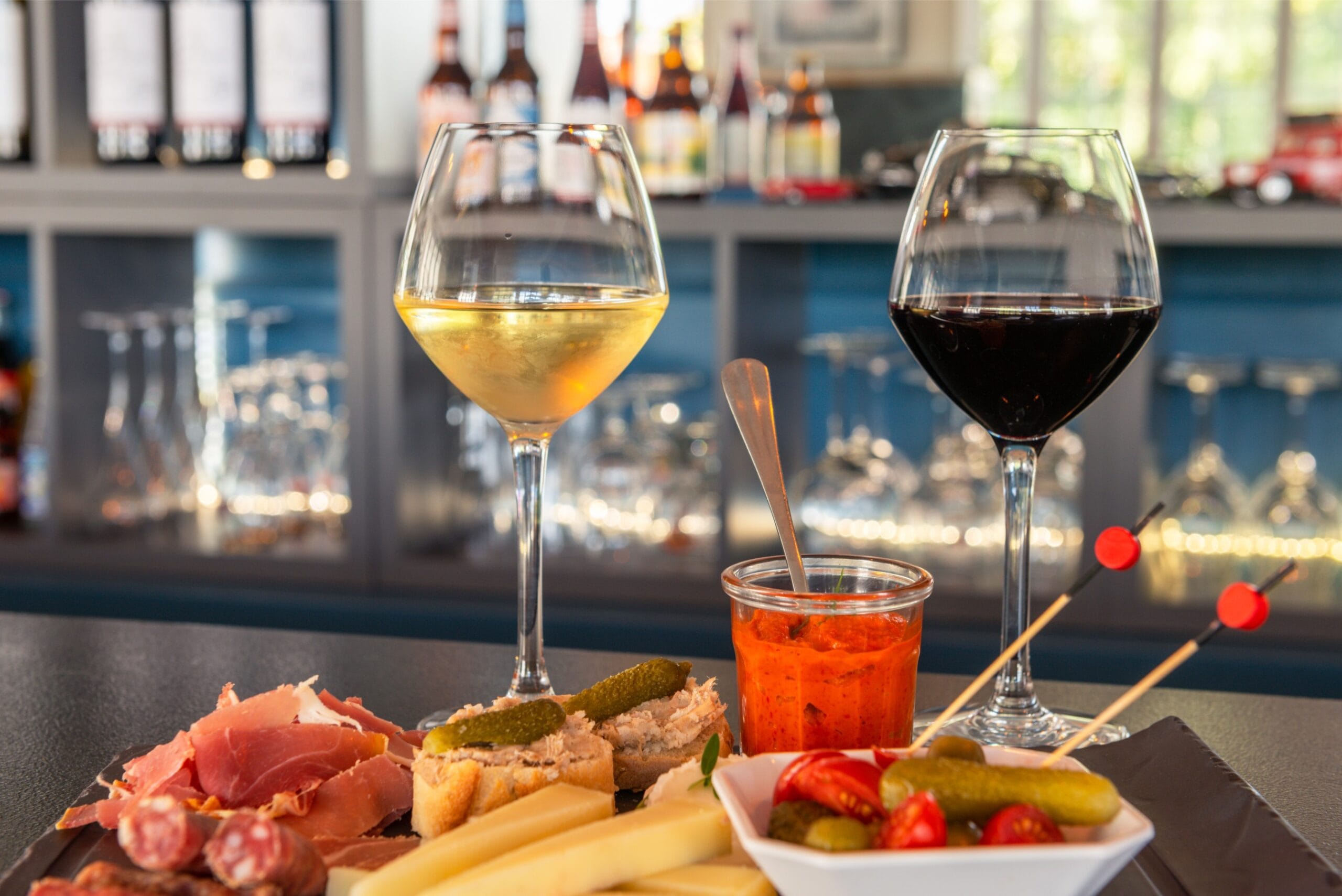
In La Rochelle, you eat the way you live: facing the Atlantic, with one eye on the tides and the other on the market stalls. Local cuisine has the scent of a busy port, a lively market and a friendly table where simple products are shared… provided they are impeccable. Here, the iodine of shellfish and fish marries with the rounder notes of butter, cream, potatoes and marsh vegetables. And, in the background, the region’s typical pairings — pineau des Charentes, lively white wines, or sometimes a craft beer — set the tone for an approachable but precise gastronomy that won’t tolerate anything half-baked.
La Rochelle is not just a dot on a foodie map: it’s a crossroads. Between the Île de Ré, the Île d’Oléron, the nearby Marais Poitevin and the Charentais hinterland, plates tell a geography. For a first list of must-tries (and to get ideas to slip into your itinerary), you can take a look at 10 culinary specialities to try in La Rochelle.
The central market, the beating heart of La Rochelle habits

If you want to understand the local cuisine, start with the market. La Rochelle’s central market (and its surroundings) lets you see seasonality live: fish arrivals, oyster baskets, cheese stalls, vegetables and herbs, as well as charcuterie and sweet treats. You’ll meet regulars who know the fishmonger’s first name, and visitors who quickly learn a golden rule: here, the product dictates the recipe, not the other way round.
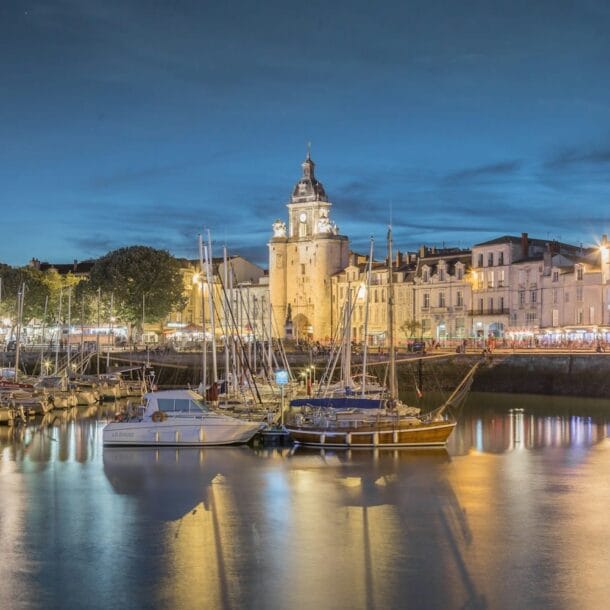
Beyond the market, the Old Port and the surrounding neighbourhoods offer a great density of addresses: seafood bistros, oyster counters, crêperies, more gastronomic tables. The most useful advice remains the simplest: ask what has come in this morning. The answer changes everything — and steers you away from overly long menus that promise the entire sea, all year round.
Oysters, mussels and shellfish: the maritime signature
Impossible to mention La Rochelle without talking about oysters. They often come from renowned nearby basins, and are enjoyed very directly: plain, with a squeeze of lemon or a shallot vinaigrette. Enthusiasts will notice the minerality, salinity and texture — sometimes fleshy, sometimes finer depending on the time and the source. The typical pairing: a dry, taut white wine that cleanses the palate without overpowering the iodine.
Mussels, for their part, lend themselves to more variations. The marinière preparation remains the most widespread: shallots, white wine, parsley, sometimes a touch of cream. Then come the more indulgent takes, where chips play the role of a bridge between the portside table and the brasserie spirit. In La Rochelle, these dishes have something reassuring about them: they’re simple, but not simplistic. Everything comes down to freshness, cooking and seasoning.
Nor do we forget clams, periwinkles, cockles, whelks, razor clams, depending on the stalls and the seasons. For a broader and more practical overview, Top 12 culinary specialities in La Rochelle offers an interesting panorama to compare with what you’ll see on site.
Your hotel in Châtelaillon-Plage
The catch of the day: when simplicity becomes cuisine
Fish in La Rochelle is often experienced through cutting and just-right cooking. Depending on the arrivals: sea bass, sea bream, meagre, hake, pollack, sardine, mackerel… The truest preparations are also the hardest to pull off: crispy skin, pearly flesh, clean seasoning. You sometimes find short sauces (lemon butter, reduced fish stock, emulsion) that accompany without masking.
In many places, the spirit is that of sailors’ cooking turned bistro cooking: noble cuts well handled, and more modest fish elevated by careful cooking. Add to that fish soups and veloutés, where depth is sought (stock, vegetables, aromatics) rather than an excess of spices. A good sign: if the waiter talks about the morning’s catch precisely, you’re generally in the right place.
Hints of Charente-Maritime on the plate: products and traditions around La Rochelle
La Rochelle doesn’t cook in isolation. Charente-Maritime brings its share of references and products that naturally make their way onto La Rochelle tables: butter, salt, marsh vegetables, cheeses, charcuterie, and many preparations rooted in regional habits. Some dishes express themselves better in the countryside, others are found everywhere, including in town, because they are part of a shared culture.
To broaden the horizon beyond the port city and understand what feeds the territory’s foodie identity, TOP 8 gastronomic specialities of Charente-Maritime makes it possible to link La Rochelle to its hinterland and its island neighbours.
Sauces, slow-cooked dishes and hearty fare: the sea meets the land
La Rochelle cuisine is not just about a plate of oysters. It also loves the kind of dishes that stick to your ribs — the ones you order when the wind picks up, when rain threatens, or when you come back from a walk along the coast. Fish-based recipes can become dishes for sharing: casseroles, seafood stews, preparations with white wine, with vegetables, sometimes lifted with a hint of garlic or discreet spices.
You also find very French bistro influences: potatoes, leeks, carrots, herbs, butter sauces, stock reduction. Nothing ostentatious, but real attention to balance. That’s also what gives good local addresses their charm: they’re not trying to impress, they’re trying to delight.

Sweet treats and sugary pleasures: finish on a local note
After the iodine, it’s time for something sweet. The region knows how to be generous: dry biscuits, travel cakes, more modern desserts, artisan ice creams when the fine weather returns. In many pâtisseries and tea rooms, you find a fairly clear style: little unnecessary sugar, bold flavours, and textures that favour crispness and melt-in-the-mouth.
To choose what to taste (and spot the specialities that come up most often in recommendations), La Rochelle specialities recommended by Le Gourmeur can serve as a checklist before you set off exploring.
Where to taste them: from the briny counter to the sharing restaurant
La Rochelle offers several ways to eat local, without necessarily aiming for gastronomic . You can start with a seafood counter for a quick tasting, continue with a neighbourhood table cooking the day’s catch, and finish at a more creative address that works the same products with a different sense of presentation.
The best reflex is to vary the formats: a simple lunch (mussels, grilled fish, a plate of shellfish), then a more leisurely dinner where you take the time to discover a sauce, a seasonal side, a controlled cooking. And if you like talking food, choose places where they announce origins and deliveries, and where they’re happy to explain how the dish was conceived.
From port to plate: understand the landings to choose better
Freshness is a given, but understanding the supply chains makes the difference. A line-caught fish, shellfish from a recognised bed, a respected season: you can taste it all. Good tables don’t need to overdo it: they display a short, coherent chalkboard menu that changes often. It’s a sign of living cuisine.
If the subject interests you, taking the time to see how fishing is organised and how the area lives to the rhythm of the ports gives another dimension to meals. To extend this immersion, the article Discover the fishing ports of Charente-Maritime rounds out a gourmet exploration around La Rochelle nicely.
Your hotel in Châtelaillon-Plage
La Rochelle-style pairings: white wines, Pineau and local drinks
Food-and-drink pairings in La Rochelle are often guided by the iodine and the citrus notes of the preparations. Dry, lively white wines work very well with oysters and shellfish. With creamier dishes, you can look for a slightly fuller white, still with freshness, to keep the palate clean.
And then there’s Pineau des Charentes, which can play a role as an aperitif or at dessert time. Its generous, slightly honeyed character goes well with certain local sweet treats and unhurried ends to meals. The key is to keep the balance: in a cuisine where the product is central, the drink should accompany, not dominate.
Ideas for gourmet routes around La Rochelle (without rushing)
A good way to discover local flavours is to alternate walks and gourmet breaks. In the morning: market, coffee, tasting a simple product. At midday: a place that offers a short chalkboard menu. In the afternoon: a stroll along the seafront, then a sweet treat. In the evening: seafood or fish, depending on your mood and the weather.
If you have a car (or feel like getting out of the centre), you can turn this discovery into a coastal itinerary: change atmosphere, vary the ports, compare the menus, and feel how the same products are interpreted differently from one municipality to the next. To plan this kind of getaway, Coastal road trip in Charente-Maritime provides a practical framework to adapt to your appetite.
A break between ocean and heritage: cruise and seaside lunch
In La Rochelle, you can also combine experience and meal. Many visitors like the idea of a trip out to sea followed by a fish restaurant: it gives meaning to what’s on the plate. Seeing the coastline, feeling the wind, watching the forts and the channels, then returning to the harbour to enjoy shellfish or the catch of the day: the loop makes sense.

For those who want to add a postcard dimension to their programme, Cruise around Fort Boyard from fits easily into a gourmet day, especially if you book a table afterwards.
When the weather gets involved: eating well even in the rain
La Rochelle has a particular charm when the sky clouds over: the streets become quieter, the terraces empty, and indoor spaces take over. It’s often the ideal time for hot, comforting dishes: fish soup, stew pot, mussels, fish in butter, more generous desserts. Damp days invite you to slow down — and to linger over a good dish rather than rush about.
If you’re staying in the surrounding area and looking for ideas to keep a pleasant programme despite fickle weather, 🌧️ What to do in Châtelaillon-Plage when it’s raining? can help you combine sheltered activities and gourmet breaks.
Well-being and indulgence: the Atlantic version of balance
Local cuisine may be generous, but it isn’t necessarily heavy: many dishes rely on freshness, precise cooking and clean seasonings. And if you like to balance the pleasures of the table with moments of relaxation, the region lends itself to it very well. An active morning (walking, cycling, seaside), a seafood lunch, then a relaxing interlude: it’s a rhythm that works.
To extend the restorative side of a stay on the coast, Wellness and thalassotherapy near Châtelaillon-Plage goes perfectly with a gourmet programme centred on products from the ocean.
Practical tips for tasting better (and avoiding pitfalls)
First tip: favour short menus, chalkboards that change, and establishments that embrace seasonality. Second tip: don’t hesitate to keep it simple. A plate of impeccable oysters or a perfectly cooked fish is better than an accumulation of options. Third tip: ask the staff a question (origin, fishing method, today’s suggestion). How they answer you is often revealing.
Finally, save a little room for something sweet and take-away specialities. La Rochelle is also discovered in bags of biscuits, little treats slipped into your bag, and the tasty memories that extend the journey.
Stay nearby to explore La Rochelle and its culinary delights
The good idea, to enjoy local specialities without limiting yourself to just one day, is to stay nearby and branch out: one day La Rochelle, one day the ports, one day the beaches, one day the markets. This helps you avoid the rush, choose your meals according to your wishes (and the weather), and return to your favourite addresses.
Your hotel in Châtelaillon-Plage
If you are looking for a convenient base to organise your gourmet discoveries around La Rochelle, you can consult Your hotel in Châtelaillon-Plage.