
Slow-tourism stay in Charente-Maritime
slow tourism Charente-Maritime
Take your time between ocean, marshes and villages: the art of a peaceful stay
In Charente-Maritime, slowing down is not an effort: it’s a reflex that comes with the sight of marine horizons, cycle paths running alongside pines, ports where people watch boats arrive unhurriedly, and markets where conversation often takes precedence over buying. Here, slow is lived on the scale of a simple day: set out on foot for a coffee, cycle to a quieter beach, allow yourself a siesta in the shade, then enjoy an unhurried dinner. The department lends itself wonderfully to this pace thanks to its reasonable distances, accessible islands, human-scale seaside resorts, and heritage best discovered when you accept detours.
This kind of stay is not a checklist. It is rather a way of inhabiting the journey: limiting travel, favouring gentle mobility, choosing non-invasive activities, and multiplying moments to breathe. The aim is not to see everything, but to live better what you do see. A few days are enough to feel the difference: you return with fewer photos but more sensations — the iodised air at dawn, the light on the carrelets, the sound of halyards in a harbour, or the texture of an oyster savoured facing the claires.
Choose a serene base on the coast
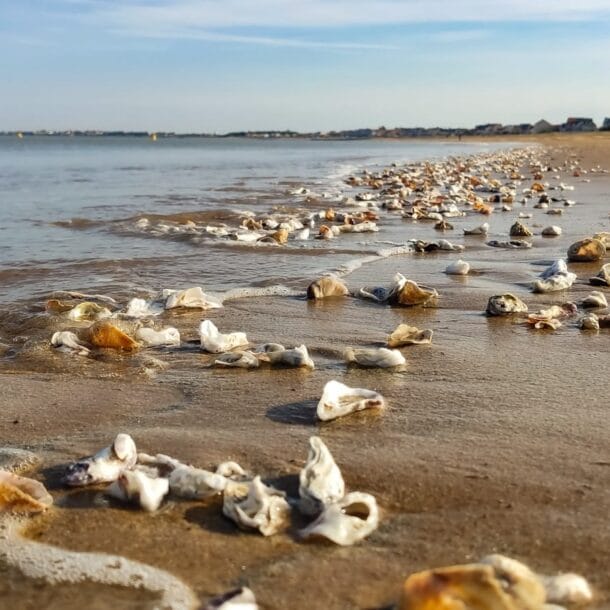
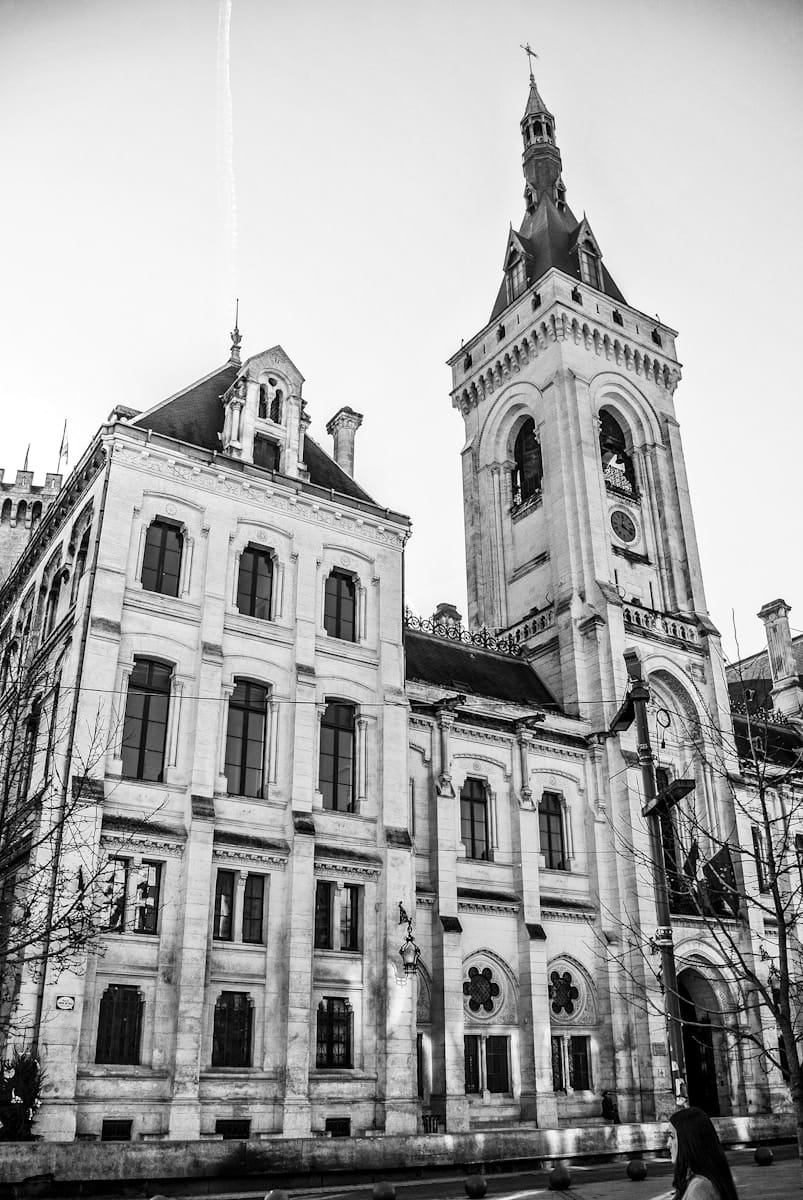
To succeed at a stay in the local rhythm, choosing your base matters as much as the visits. A well-located accommodation avoids changing bases and reduces logistics. Châtelaillon-Plage, for example, offers a rare balance: a long beach within walking distance, a peaceful seaside atmosphere, and immediate proximity to La Rochelle and the islands. You can unpack your bags there, then explore in radiating day trips without ever feeling rushed.
If you wish to organise your arrival and keep the freedom to build light days, you can book directly via Your hotel in Châtelaillon-Plage. The appeal of such a choice, in a slow approach, lies in its simplicity: fewer kilometres, more time on site, and the possibility of returning home between outings rather than chaining journeys.
An ideal slow day: La Rochelle without rushing
La Rochelle is alluring, and rightly so. But it is best savoured when you resist the checklist mode. The right tempo is to go early or late afternoon, walk a lot, and allow long pauses. the historic heart invites lingering: arcades, lanes, inner courtyards, bookshops, and terraces where one can stay longer than one ought to.
Walk to the rhythm of the harbour
Rather than cramming in multiple museums in a single day, start with a simple, highly evocative route: follow the water, watch the city live, and let the light guide you. For a calm itinerary inspiration, the article Walk along La Rochelle's Old Port fits naturally into a day without constraints: you walk, you stop, you set off again, never trying to optimise.
Your hotel in Châtelaillon-Plage
Real coffee break
In slow travel, the break is not an interlude: it is the heart of the journey. In La Rochelle, choose a café where you can read a few pages, write a postcard, or simply watch. Prefer places where service is gentle, where you are not rushed, and where you can settle quietly, away from the flow. To select spots suited to relaxation, take a look at The most pleasant cafés in La Rochelle.
La Rochelle with children: activities that soothe rather than excite
Slowing down with family is possible, provided you pick activities that don’t turn the day into a marathon. Opt for short but frequent walks, free play times, snack breaks, and suitable visits. The idea: return without having followed a schedule, but feeling as though you have breathed together. For concrete suggestions, La Rochelle for families: gentle activities offers an approach in keeping with this spirit.
Fouras, a peninsula to savour: panoramas, tides and short walks
In a slow approach, Fouras is ideal: you come for the feeling of the edge of the world without going far. Between beaches, rocky headlands, island views and the atmosphere of a quiet resort, the peninsula encourages gentle walking. The spectacle of the tides naturally sets the day’s rhythm: you set out when the water retreats, return when it rises, and adapt your wishes to the landscape.
From Châtelaillon-Plage, the getaway is simple and short, ideal for a pressure-free half-day. To plan a gentle outing, the article Discover Fouras from Châtelaillon-Plage helps to imagine a balanced itinerary, without overloading the schedule.
When the sky clouds over: turning rain into an opportunity to slow down
Slow tourism does not require perfect weather. On the contrary: rain can become the perfect chance to do what we often put off. A grey morning can lend itself to a reading session, a long breakfast, a wellness moment, or a short but invigorating stroll by the sea, when the beach empties and the wind clears the mind.
If you’re looking for ideas that remain consistent with a calm atmosphere (rather than noisy or crowded activities), you can take inspiration from Châtelaillon-Plage in the rain: peaceful ideas. The important thing is not to compensate for the weather with a frenzy of activities, but to adjust and keep a gentle pace.
Île de Ré in slow mode: cycle, breathe, stop often
Charente-Maritime instantly calls to mind its islands, and Île de Ré is an obvious playground for a restful stay. The key is to explore it without any desire for performance: pedal little, stop often, picnic without watching the time, and end the day with a walk through a village when the light fades and the atmosphere becomes more hushed.
As for accommodation, the nature-and-relaxation spirit is found in places designed to live outdoors, reduce pressure, and encourage disconnection. To discover an option focused on the great outdoors, you can consult Nature hotel on Île de Ré: stay in Saint-Martin …. A stay on the island then becomes a parenthesis where you alternate cycling, markets, and simple moments: watching the boats, listening to the birds in the marshes, or sitting facing the ocean without any particular purpose.
To complete your scouting, two resources give an idea of the atmosphere and the services offered, with a guide’s perspective: Slow Village Saint-Martin-de-Ré – Stay in a setting of … and Slow Village – Saint-Martin-de-Ré – Infinitely Charentes. The value of this type of place, in a slow approach, is to offer a setting that naturally encourages you to settle: you don’t consume the island, you inhabit it for a few days.
Slowing down also means choosing better: gentle mobility and short distances
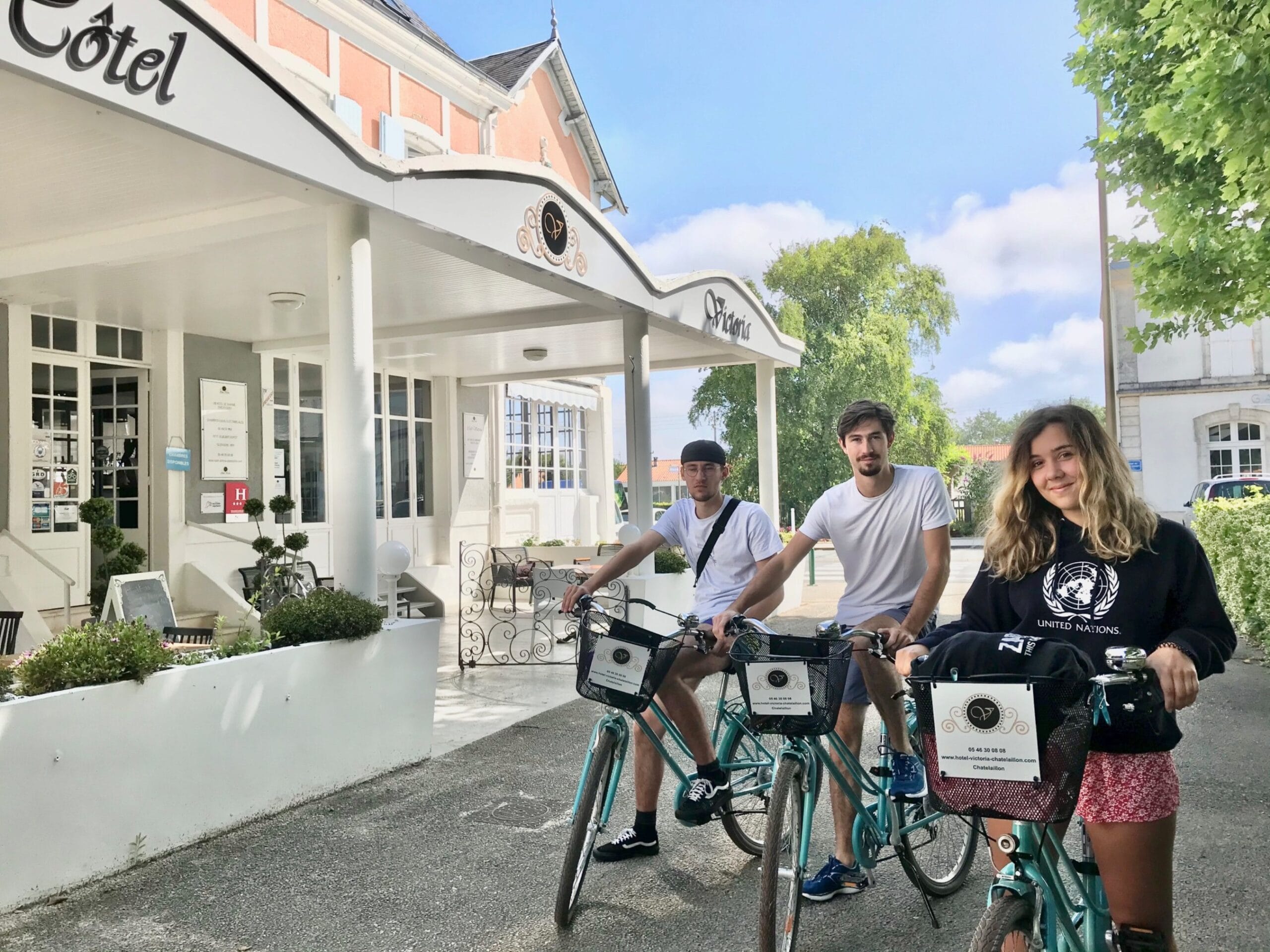
Charente-Maritime is very suitable for low-impact mobility. When possible, favour the train to arrive, then local journeys by bike, on foot, or using public transport. Even by car, the slow spirit can be respected: by grouping outings, avoiding unnecessary back-and-forths, and accepting spending a whole day in one area rather than visiting three places.
The real luxury here is proximity: between coastline, villages, harbours and nature, you can alternate atmospheres without swallowing hours of driving. This also makes travelling lighter mentally: less parking, fewer timetables, fewer decisions to make. And more attention to what matters: the landscape, encounters, local produce, the holiday feeling.
Your hotel in Châtelaillon-Plage
Tasting Charente-Maritime: markets, oysters, and unhurried cuisine
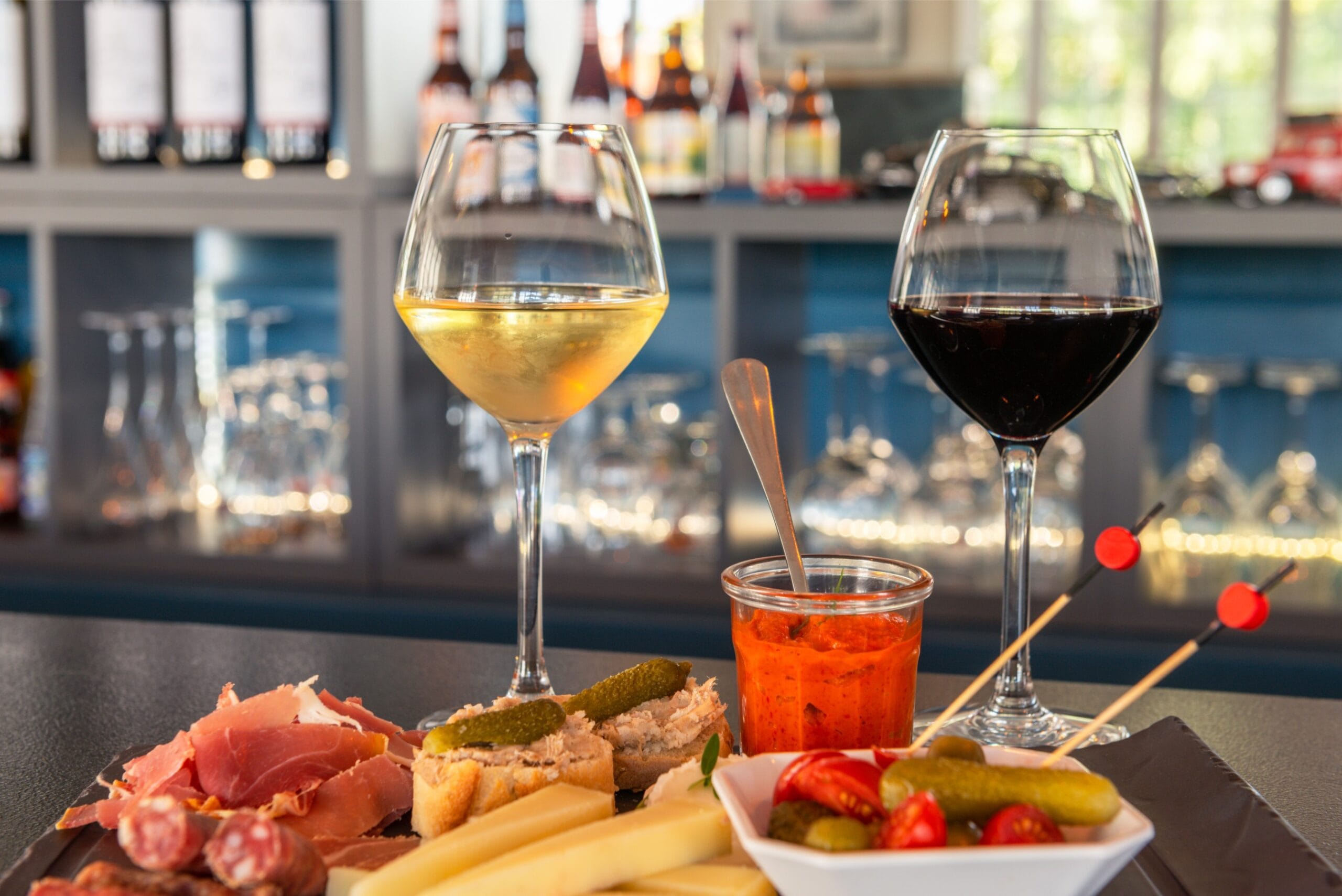
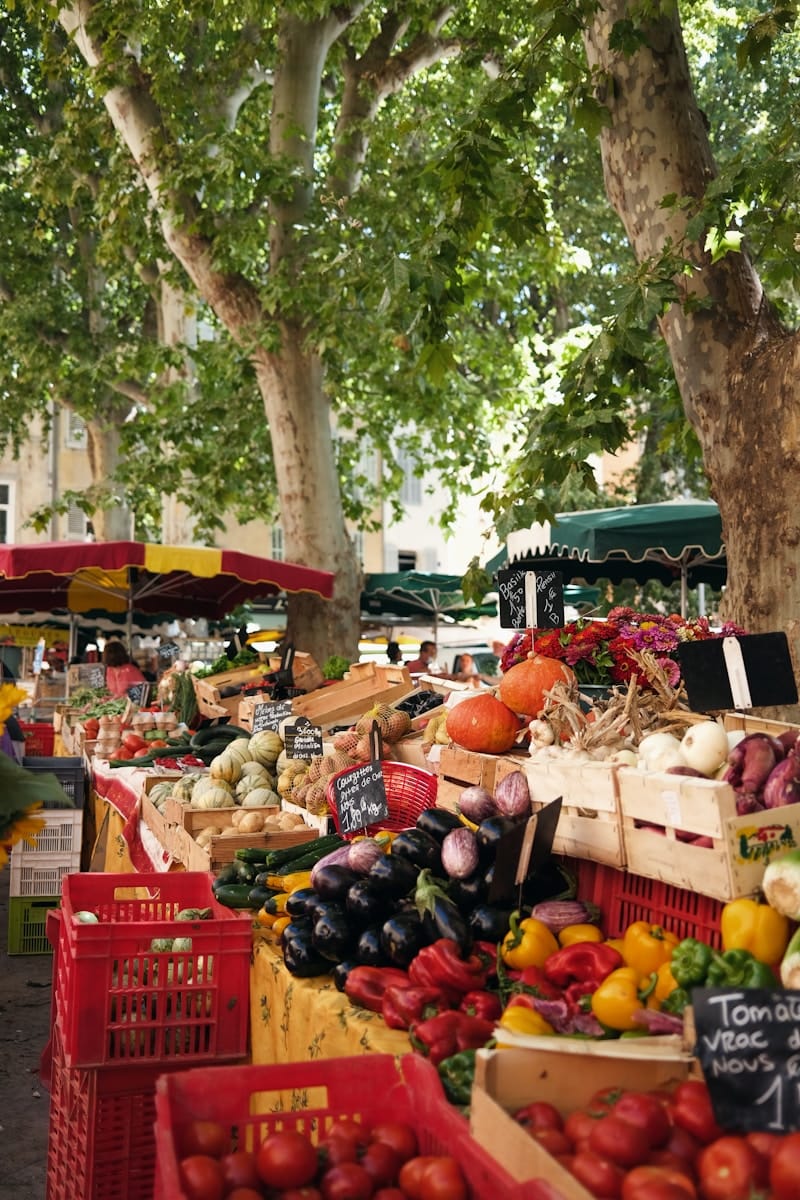
A slow stay inevitably passes through the table, but not in the sense of haute cuisine at all costs. It’s more about establishing simple rituals: going to the market in the morning, talking with producers, choosing few but good things, then improvising. A picnic can become a great moment if the spot is well chosen: a bench facing the water, a cloth on the grass, or a table sheltered from the wind.
On the product side, the sea is omnipresent: oysters, mussels, fish, samphire depending on the season. The right slow gesture: favour tasting on site, without multiplying stages. Sit down, take your time, learn a thing or two, and leave feeling light. Add local sweets, good bread, some fruit, and you have the perfect menu for a day that is not trying to be optimised.
Gentle nature: marshes, birds, coastal forests
Charente-Maritime is not just a picture-postcard maritime setting. It is also made up of wetlands, marshes, canals, reserves where one observes rather than passes through. For a slow experience, choose a site where you can walk calmly, listen, and stop. Take binoculars if you like birdwatching, or be content with a notebook to jot down your impressions. Often, the essential is there: being available.
The best practice is to favour outings early in the morning or late in the day, when the light is softer and visitor numbers are lower. This avoids the feeling of queuing to admire nature, and restores a more intimate relationship with the landscapes. In these moments, you understand why slowing down is also a form of respect: for the places, for the locals, and for yourself.
Build an itinerary over 4 to 7 days: fewer stops, greater depth
For the experience to remain truly calming, it’s better to reduce the number of bases. A simple example over a week might look like this: two days around Châtelaillon-Plage (beach, reading, small outings), a full day in La Rochelle (walking + coffee break + late afternoon at the harbour), a getaway to Fouras, then two or three days on the Île de Ré by bike, between villages and marshes. This purposely modest scheme works because it leaves blanks: unfilled hours, moments when you improvise.
If you only have four days, stick to a single main area: Châtelaillon-Plage and La Rochelle, or the Île de Ré while staying close to your accommodation. You will gain a rare holiday sensation: not leaving exhausted. In slow tourism, one prefers to return wanting to extend the trip rather than satisfied at having ticked everything off.
A mindset more than a programme: be inspired and do it your way
The most important thing is to find your own rhythm. Some slow down by walking for long periods, others by cooking, others still by spending hours watching the ocean. Charente-Maritime allows all these variations, because it offers both lively towns and immediate breathing spaces.
To nourish this approach and better feel what lies behind the expression, you can read You said Slow Tourism. Then, once there, let theory fade: experience takes over. Slowing down here is not a constraint. It’s a way of travelling that gives space back to time, to silence, and to the quiet joy of simple things.