
Cultural walk in La Rochelle: suggestions
Yes, a cultural stroll in La Rochelle is very well suited to a day or a long half-day, with a simple route between the Old Harbour, the old streets, the town-centre squares and a few heritage landmarks. From Châtelaillon-Plage, this getaway lets you change the atmosphere without complicating your stay: a little maritime history, beautiful façades, views over the water and that coastal light which gives the town a very distinctive character.
La Rochelle is appealing because it does not really separate walking from culture. You walk, observe and gradually understand how the town was built around its harbour and its opening onto the ocean. To prepare for your outing, here is a clear guide: an easy itinerary, places not to miss, practical advice depending on your profile and a few useful tips to enjoy the centre without spreading yourself too thin before returning to the seafront of Châtelaillon-Plage, near Hôtel Victoria.
Why choose La Rochelle for a cultural getaway?
La Rochelle offers an ideal setting for a cultural outing because its heritage can naturally be discovered on foot. The town tells a port, urban and maritime story, visible in the quays, façades, arcades and major monumental landmarks. According to the general presentation of La Rochelle, it occupies an important place on the Charente coast, and this is immediately reflected in its identity.
For visitors, the appeal also lies in the concentration of different atmospheres. You quickly move from a lively quay to a quieter street, from an open view over the water to a more intimate old square. This density makes the discovery enjoyable: there is no need to multiply journeys to get a feel for the town.
Another advantage is that La Rochelle suits all paces. Some people prefer a route built around a few key stops; others like to follow their instincts, entering a street because it catches their eye, returning to the harbour and then setting off again. In both cases, the town remains easy to navigate and readily provides reference points for a successful stroll.
A simple cultural itinerary for a day
For a smooth visit, the easiest option is to start at the Old Harbour and then head up towards the old town centre. This progression works well because it first allows you to take in La Rochelle’s iconic setting before discovering its finer layout.
Step 1: start at the Old Port
Le La Rochelle Old Port is a very natural entrance to the city. Situated on the edge of the historic centre, it immediately brings together everything that defines La Rochelle: the water, the quays, the towers, the silhouettes of boats and the constant dialogue between heritage and urban life. Even during a mainly outdoor stroll, it provides the first keys to understanding the city.
It is also a good landmark for finding your way around. From the port, you can quickly understand where the old streets, squares and arcaded areas are located. Starting here helps structure the rest of the visit without needing a complicated itinerary.
Step 2: walk through the old town streets
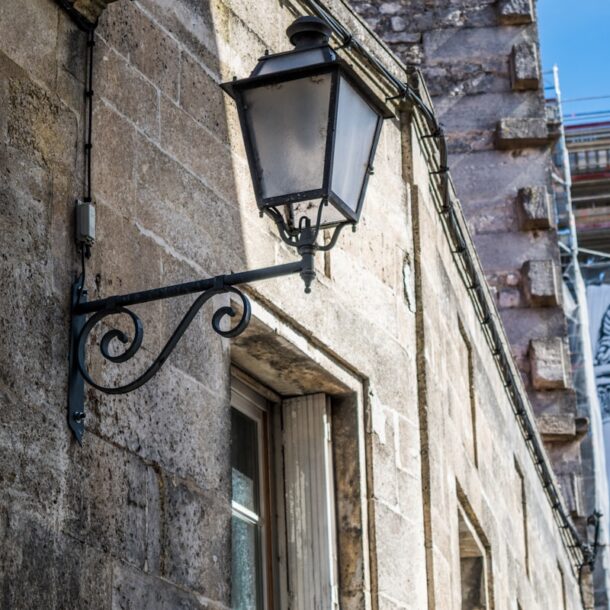
From the port, continue through the old streets. This is where the cultural walk takes on a different pace: you slow down and look at the rows of façades, covered passageways, old doors and carved details. The historic centre is particularly well explored on foot, leaving room for observation.
The most useful reflex is to look up. Many interesting features are above the shopfronts and the path taken by passers-by: windows, cornices, plays of proportion and traces of different eras. A simple street can then become very rich to read.
Step 3: take a break in a square or near a monument
A cultural walk does not need to be packed to be successful. Taking the time to sit in a square, facing a façade or near a monument, helps you better sense the city. You observe the movement of people, the volumes and the way residents and visitors experience these spaces. This pause often gives the visit more depth than a sequence of steps taken too quickly.
Step 4: continue according to your wishes
What you do next depends mainly on how you like to travel:
- if you enjoy history, continue towards the key landmarks of the urban heritage; ;
- if you prefer art and more contemporary forms, head towards places showcasing contemporary expression; ;
- if you are travelling with family, keep to a simple route with regular breaks; ;
- if you have little time, focus on the Vieux-Port, the old streets and a few notable squares.
To complement this initial overview, you can consult our simple one-day itinerary, useful for discovering La Rochelle without spreading yourself too thin.
The must-see places to include in your walk
On a cultural walk around La Rochelle, certain places play a structuring role. They are not there to be ticked off a list, but because they help you understand the city and organise your perspective.
The Old Harbour and its surroundings
The Old Harbour is not merely a pretty backdrop: it is a pivotal space between the old town and its maritime history. The presence of the towers, quays and broad views over the water immediately gives the promenade a strong heritage dimension. Even a brief visit here feels meaningful.
The city’s symbolic towers and gates
Around the harbour, several monumental landmarks are enough to remind us of La Rochelle’s strategic role. They speak of movement, defence, access control and the city’s longstanding connection with the sea. Even if you only explore from the outside, they add depth to the route.
The arcaded streets
The arcades are among La Rochelle’s most recognisable features. They structure the walk, provide shelter from changing weather and create a very pleasant sense of continuity through the centre. From a cultural perspective, they also show how architecture supports the city’s everyday uses.
The squares and historic façades
The squares provide welcome breathing spaces amid the urban fabric. They allow you to take a step back from the buildings, better appreciate the façades and experience the balance between heritage and modern life. For many visitors, they are perfect places to observe without hurrying.
If the atmosphere of the quays and the monuments in the centre particularly appeals to you, our article on the walk along the Old Harbour can usefully extend the discovery.
How to give your walk a genuine cultural dimension
A cultural walk is not just about the places you pass through, but about how you look at them. In La Rochelle, a few simple habits are enough to turn a pleasant stroll into a richer discovery.
- Observe the materials and details: stone, ironwork, openings, mouldings, arcades.
- Look at how the water influences the organisation of the city and movement around it.
- Compare the atmospheres between the harbour, quieter streets and open squares.
- Really stop in front of a single monument rather than moving on from one to the next.
- Bring historic heritage into dialogue with more contemporary cultural expressions.
This approach avoids a common pitfall: trying to see everything and remembering nothing. It is better to have fewer stops, but to experience them attentively. An old street observed slowly, a façade revealed in beautiful light or a view over the harbour can leave a stronger impression than an itinerary that is too packed.
If you enjoy more contemporary approaches, our selection on the street art and galleries in La Rochelle offers another way to broaden your discovery.
Ideas for visits according to your profile
The right route depends on what you are looking for. Adapting the walk to the way you travel allows you to get more pleasure and meaning from it.
For a first discovery
Stick to a very clear thread: the Old Port, the historic centre, squares and arcaded streets. This outline is enough to understand the spirit of La Rochelle and leave with a coherent image of the city. There is no need to complicate a first visit further.
For history enthusiasts
Focus on everything that tells the story of the port and the city: the approaches to the port, the visible towers, the logic of the old streets, and the relationship between defence and trade. Even without an exhaustive visit, there is already plenty to read from the outside. Preparing a few points of reference before setting off can enrich your perspective.
For families
The key is to keep things light. Alternate observing the boats, walking along an arcaded street, taking a short break in a square and looking for a few easy-to-identify landmarks. La Rochelle lends itself well to this approach as long as you do not try to turn the outing into an overly packed itinerary.
For photographers and walkers who appreciate atmosphere
The town offers beautiful contrasts between pale stone, water, the lines of the quays and the more discreet details of the centre. The viewpoints change quickly from one street to the next, making the walk stimulating. To make the most of it, it is better to choose a few areas and take the time to observe them rather than walk constantly.
Practical tips for setting off from Châtelaillon-Plage
From Châtelaillon-Plage, it is better to approach this outing with a flexible mindset. A cultural walk is much more enjoyable when it leaves room for the unexpected, a street that makes you want to follow it or a longer break than planned.
- Choose comfortable shoes: most of the discovery is done on foot.
- Wear clothing suitable for the sea air and changing weather.
- Take water with you if you plan to walk around the centre for a long time.
- Avoid overloading the itinerary from the outset.
- For up-to-date information on visits and events, consult the ’La Rochelle Tourist Office.
The Tourist Office can be useful for checking what can be visited depending on the season, picking up ideas for itineraries or fine-tuning your plans once you are there. This is particularly handy if you like deciding as the day unfolds.
On the way back, the contrast with Châtelaillon-Plage is often very pleasant. After the bustle of the harbour, the old streets and the intensity of the town centre, returning to the seafront offers a different kind of breathing space. If you are staying at the Hôtel Victoria, at 13 avenue du Général Leclerc in Châtelaillon-Plage, this alternation between a cultural town and a seaside atmosphere fits naturally into your stay.
Mistakes to avoid to really make the most of the day
La Rochelle’s richness is best appreciated with a little moderation. Certain mistakes are common and prevent visitors from fully enjoying the town.
Trying to do everything in one outing
The first pitfall is setting too many objectives. By trying to include everything, you turn the walk into a mechanical sequence. Select a few priorities and accept leaving the rest for another time.
Staying only around the harbour without venturing into the streets
The Old Harbour is essential, but it is only a gateway. To discover La Rochelle from a cultural perspective, you also need to venture into the streets, look for the arcades, observe the squares and read the façades. It is in this transition that the town reveals its depth.
Not looking up
Many visitors focus on the activity at street level and forget about the architecture. Yet much of the heritage interest lies above immediate eye level: volumes, openings, decorative details and the rhythm of the buildings. Looking up really changes the experience.
Walking too fast
A city like La Rochelle is best discovered with a few pauses. Retracing your steps, stopping in front of a façade or taking the time to enjoy a square is all part of the visit. Without these pauses, you see the city without really reading it.
How to organise your walk according to the weather and season
The light, sky and crowds greatly alter the way La Rochelle is perceived. Adapting the route allows you to keep enjoying the discovery whatever the conditions.
In fine weather
Start with the open spaces: Vieux-Port, quays, viewpoints towards the towers and open squares. Then move towards the streets in the centre for a more detailed reading of the heritage. This progression creates a good balance between broad views and close observation.
In changeable weather
The arcaded streets then become particularly valuable. They allow you to continue your walk in good conditions while maintaining a genuine quality of observation. In this case, a more compact itinerary around the historic centre works very well.
During busier periods
When the city is livelier, the best approach is often to favour quieter times of day or move slightly away from the most obvious attractions. A few side streets are often enough to rediscover a more peaceful atmosphere. You always look more closely when you feel less carried along by the flow.
To vary your itinerary ideas, you can also browse our selection of the most beautiful walks in La Rochelle, ideal for discovering different atmospheres.
Frequently asked questions
What should you see first on a cultural walk in La Rochelle?
The simplest option is to start at the Old Port, then head to the historic centre and the arcaded streets. This sequence gives a very accurate impression of the city’s maritime and urban identity. If you are short on time, it is better to focus on these areas.
Can you explore La Rochelle culturally in half a day?
Yes, provided you keep to a compact route. By staying around the port, the major visible landmarks and old streets, you will already have an interesting experience. The key is to limit the stops to maintain a genuinely enjoyable walk.
Is La Rochelle suitable for a family cultural outing?
Yes, because the city is easy to explore on foot and offers simple visual landmarks to appreciate. To keep the outing enjoyable, it is best to alternate walking, observation and breaks. A family visit works well when it remains flexible and lively.
Should you plan your route in advance?
It is not essential, but it helps to avoid spreading yourself too thin. Planning a starting point, a few priority areas and a break area is often enough. You can then adapt the rest according to your wishes once you are there.
What is the difference between a classic walk and a cultural stroll in La Rochelle?
A classic stroll is primarily about the pleasure of walking and enjoying the atmosphere. A cultural walk adds a more conscious focus on the city’s heritage, architecture and history. In La Rochelle, the distinction is subtle, because the setting itself already tells you a great deal.
From Châtelaillon-Plage, how can you make this getaway truly enjoyable?
It is best to plan a light day, without trying to pack too much into the programme. You will get more out of La Rochelle, then enjoy returning to the more open atmosphere of the seaside. This alternation between urban discovery and coastal breathing space is a big part of the charm of the stay.