
Enjoying seafood in Charente-Maritime
seafood Charente-Maritime
Between islands, straits and marshes: a land that tastes of iodine
Here, you do not order seafood: you follow it. You spot it on a tide chart, glimpse it at the end of a channel, choose it at the market when the stalls are still gleaming with fresh seaweed. Charente-Maritime has this very direct way of connecting the landscape to the plate: the straits shelter the beds, the marshes feed the basins, and the ports set the rhythm of arrivals. To savour it is therefore also to read a landscape made up of sandbanks, currents, oyster ponds, huts, holding tanks and long wooden tables where people crack, peel, rinse and share.
The pleasure often begins before the first bite: the smell of seaweed at low tide, the light catching on the boats’ hulls, the salty chalkiness on your fingers, the small knife you look for in your pocket, the lemons already cut, the demi-sel butter waiting. And then that very particular silence when the platters arrive: everyone recognises their preference, looks for the plumpest one, or saves the last for the end.
Oysters: the art of the slap, the flavour of the oyster ponds
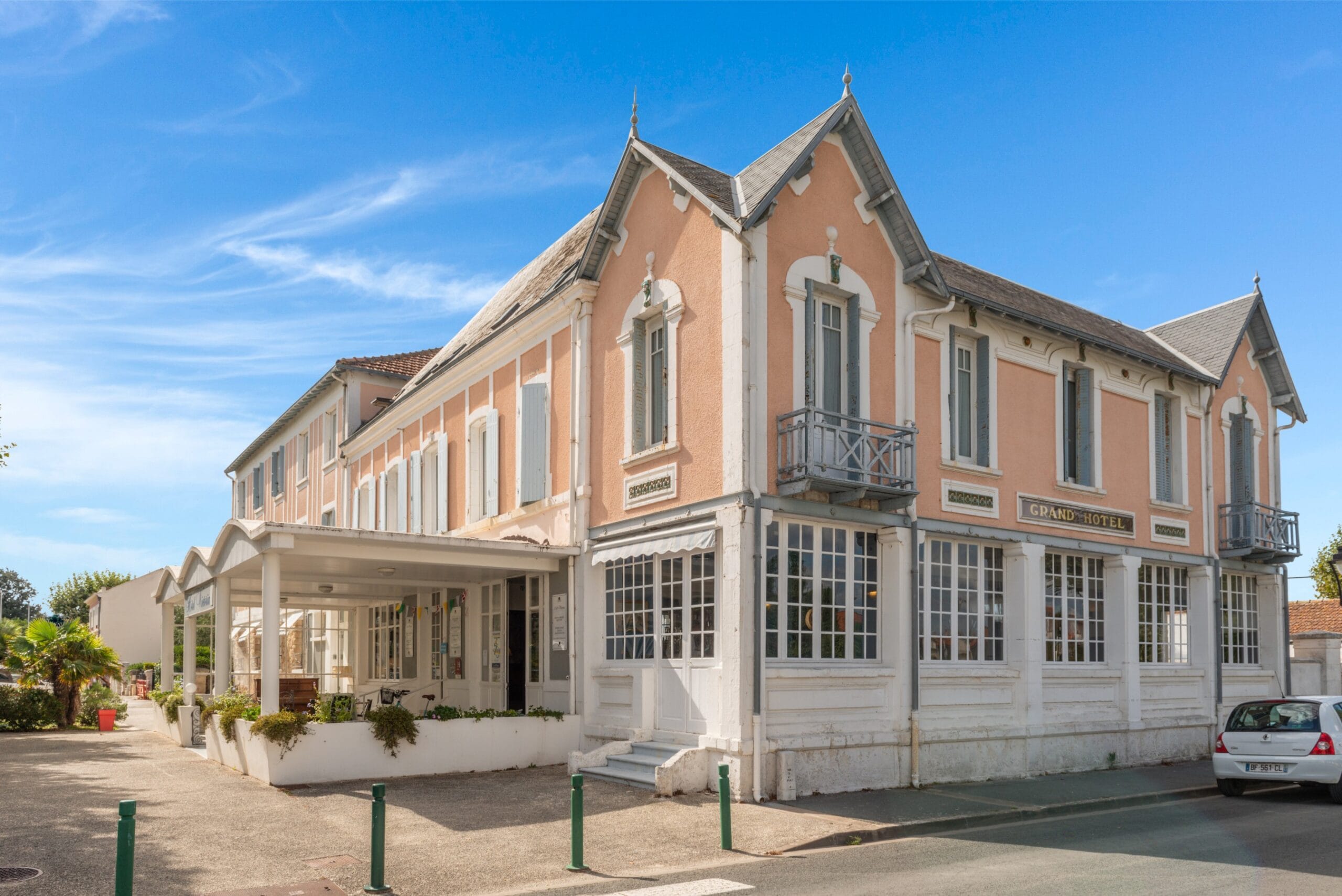
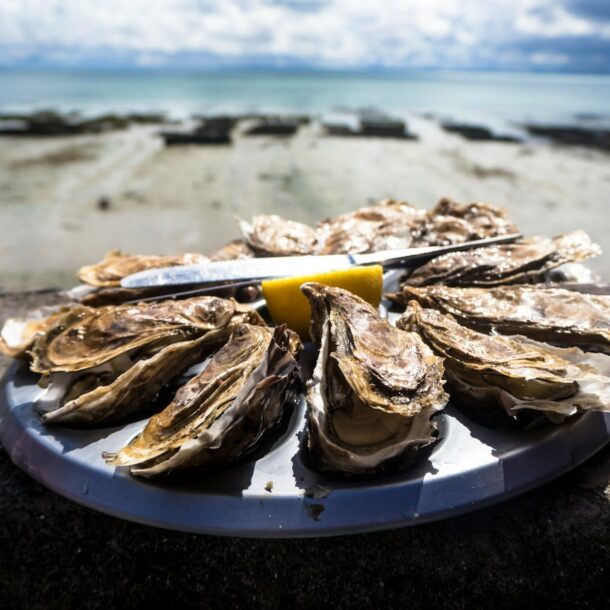
Oysters are at the heart of local indulgence, and not only because people eat a lot of them: they tell the story of precise expertise. Behind the apparent simplicity (open, pepper, add lemon, swallow) lies the work of the oyster beds, farming, sorting and maturation, sometimes including time in oyster ponds, which rounds out the flesh and nuances the salinity. On the scale of a tasting, this translates into clear differences: a more crunchy or melting texture, a more pronounced iodised length, a vegetal or nutty note, a milky or mineral sensation.
If you like to understand what you eat, take the time to learn about oyster farming and tasting habits: Charente Maritime: Oyster farming and oyster tasting. You will find useful pointers to help you choose and appreciate them better, from size to maturation.
On site, the best approach remains the simplest: compare. Start with a rather lively, distinctly maritime oyster, then follow it with a rounder, matured oyster, to identify what your palate prefers. And bear in mind that accompaniments should support, not mask: a characterful bread, good butter, a squeeze of lemon if you insist, and above all, time.
Mussels, éclade and generous plates: conviviality above all
Charente-Maritime is often enjoyed on a grand scale: steaming pots, tables outside, fingers that get a little sticky, laughter and plates being refilled. Mussels hold a special place in this spirit. Marinière-style, with cream, with Pineau, or éclade-style (spectacularly cooked under pine needles), they become a ritual. You don’t come just to eat mussels, you come for the moment: the smell of the fire, the surprising warmth on the harbour, the sauce you mop up with bread, and that immediate holiday feeling.
Your hotel in Châtelaillon-Plage
To find a destination where mussels and shellfish are celebrated, you can consult this page: Oysters \/ Mussels \/ Seafood in Charron. It helps you locate a renowned spot, useful if you like to plan your food stops according to the coastline.
Markets: the real beginning of the tasting experience
Before the terrace, there is the market stall. Going to the market is seeing the sea in another form: crates of still-damp shellfish, labels showing their origin, discussions about size and cooking, advice on freshness. It is also the best place to put together a platter to suit you: a few oysters, prawns, whelks, a portion of crab, and perhaps some clams if you are planning a stir-fry in the evening. As a bonus, you will often find the essentials there: dense bread, farmhouse butter, lemon, shallots, herbs, and a well-chosen dry white wine.
If you want to organise your gourmet mornings according to places and days, this guide is a good starting point: Discover the Charente-Maritime markets. This is exactly the kind of resource that turns an idea into a concrete itinerary.
A few simple pointers when buying: favour shellfish that are tightly closed, beware of overly strong smells (iodine is normal, ammonia never is), ask for the arrival date, and take a cool box if you have to walk for a long time. Once at your accommodation, keep them chilled, never in water, and eat them quickly: freshness is the best sauce.
Putting together a Charente-Maritime seafood platter: balance, textures, seasons
A successful platter is not necessarily the biggest: it is the one that alternates sensations. Ideally, play on four families: shellfish (oysters, clams, cockles), crustaceans (prawns, langoustines), those to be shelled (whelks, periwinkles), and a centrepiece (edible crab, spider crab). Add a touch of freshness (lemon, shallot vinegar if you like), bread, and quality butter. If you are looking for balance, avoid piling on the sauces: they make everything taste the same. A clear plate and a good product are better.
As for the season, remember above all that the sea has its calendar. Some products are more appealing at specific times: that is when the flesh is fuller, the texture more distinct, and the flavour longer-lasting. Locally, fishmongers and producers are your best allies: ask what is good at the moment, and let them guide you.
Enjoying it at the right pace: from the oyster knife to the last whelk
Eating well also means doing things properly. With oysters, if you are not comfortable opening them, do not force it: a slip can happen quickly. Many huts and stalls offer oysters already opened, or can open them to order. If you open them yourself, use a suitable knife, a thick tea towel, and aim for a clean movement rather than force. The idea is to preserve the flesh and the juice, which is part of the experience.
For whelks and periwinkles, have a small pick ready. Rinse if necessary, but do not drown them: we want to remove the excess, not erase the sea. With crabs, take your time: eating them is naturally a slow process, and that is all the better. You learn to spot the pieces, appreciate the delicate flesh, and make it last.
Drinks pairings: iodine loves freshness
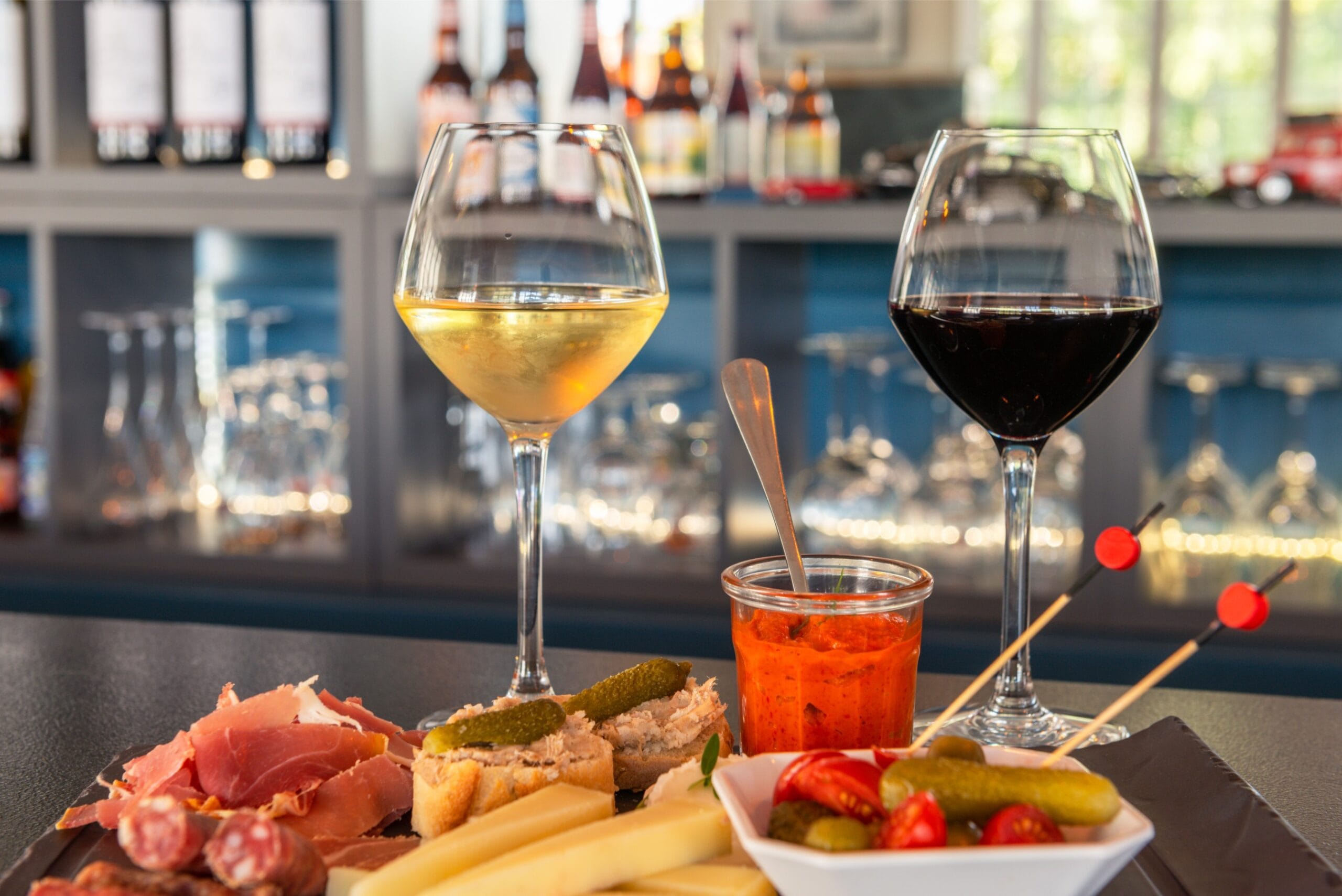
Without turning the meal into a wine-tasting lesson, a few principles are helpful. Shellfish pair well with dry, crisp white wines with good acidity. An overly oaked or powerful wine overwhelms the nuances. Sparkling wines work very well too: they cleanse the palate and extend the celebratory feel. And if you prefer to keep things simple, very cold water and a slice of lemon do the job perfectly.
The real advice is consistency: an iodine-rich platter calls for a drink that refreshes and leaves room for the product. Avoid drinks that are too sweet: they make the whole thing feel heavy and mask the salinity.
Vary the pleasures: from the hut to more gourmet tables
Charente-Maritime caters to every desire: eating standing up facing the oyster beds, settling down on a terrace by a harbour, or choosing a more culinary table where the chef works with the produce precisely. Alternating these formats makes the stay richer. At lunchtime, you keep it simple: oysters, prawns, bread and butter. In the evening, you treat yourself to a cooked dish: just-opened clams, mussels in a short sauce, grilled fish with reduced jus, or shellfish prepared with a touch of herbs and citrus.
And between two tastings, it is enjoyable to add a sweet interlude. If you pass through La Rochelle, you can make a note of this idea: The best artisan ice creams in La Rochelle. After the iodine-rich flavours, something sweet and cold is often the perfect counterpoint.
Make tasting part of your stay: sea, walking, breathing
The coast can also be savoured beyond the plate. A good tasting experience takes preparation: a walk beforehand, some fresh air, a little movement. This whets the appetite and makes the moment clearer and more vivid. The paths, marshes, beaches, and views over the straits: all this puts you in the right frame of mind and gives the meal meaning.
Your hotel in Châtelaillon-Plage
If you enjoy combining the great outdoors with discovery, this suggestion may inspire you: Nature itinerary around Châtelaillon-Plage. The idea is simple: walk, observe, then return to the table with the feeling that you have earned your indulgence.
La Rochelle and its surroundings: an ideal stopover between two platters
La Rochelle offers an urban breath of fresh air: a lively harbour, terraces, covered markets and streets to wander through. It is a convenient stop for varying the atmosphere, while keeping the sea as the guiding thread. You can spend a morning sightseeing, take a break at the market, then head back to a tasting hut or a beach for a simple dinner.
To organise a day without complicating things, you can rely on: La Rochelle in one day: easy itinerary. This helps you find a comfortable rhythm between discovery and indulgence.
The comfort that changes everything: sleep well, savour more
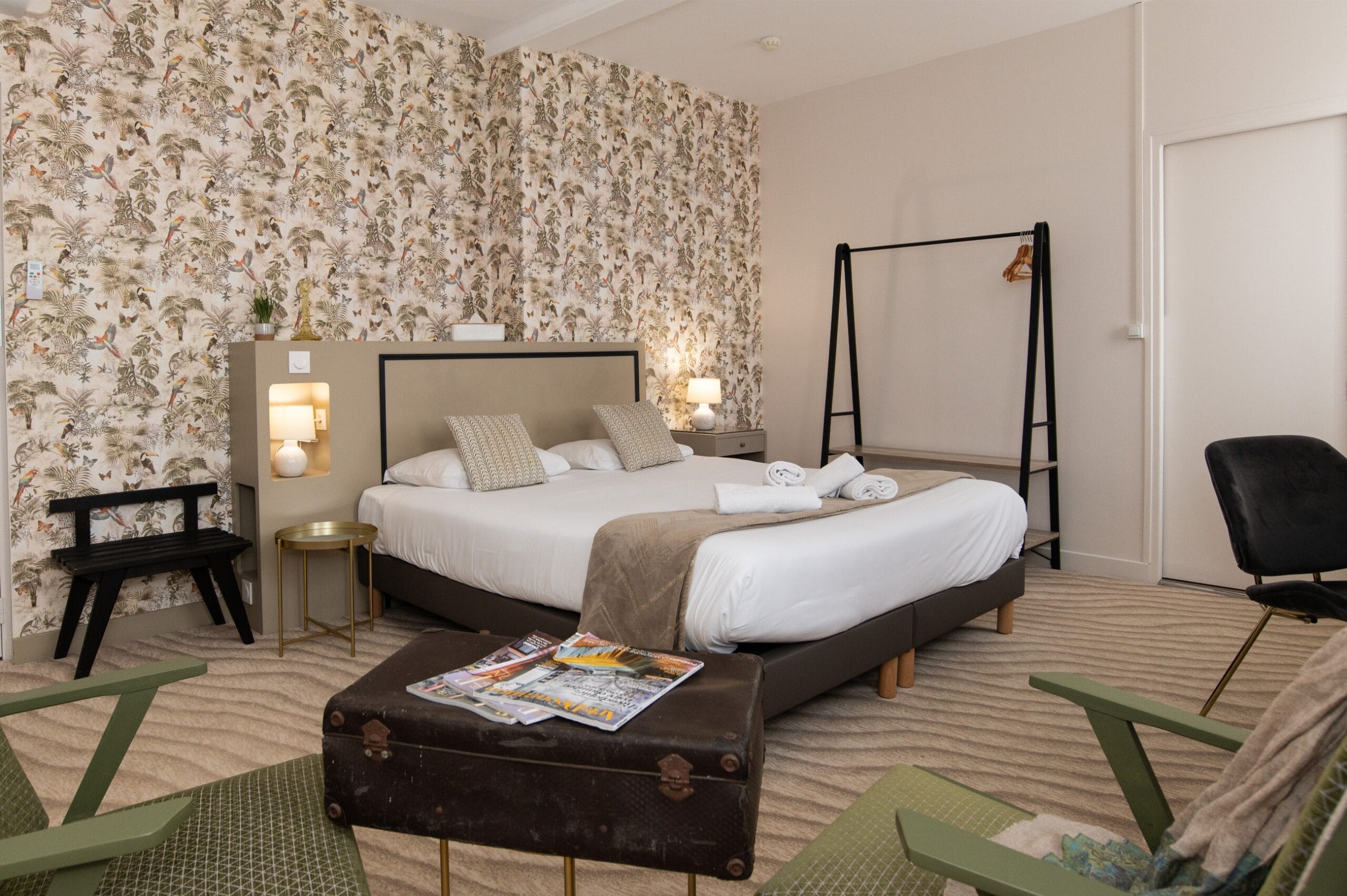
When the days alternate between walks, markets and seafood meals, comfort becomes an ingredient in its own right. Sleeping well, being able to relax, taking a hot shower when you return from the wind, letting the salt remain on your skin and then setting off again feeling refreshed: it all matters. And if you like planning without stress, booking in the right place makes everything easier, especially during the season.
For a practical base in Châtelaillon-Plage, you can look at: Your hotel in Châtelaillon-Plage. Having a pleasant place to stay makes it possible to plan a food-filled break without rushing around.
Add a wellness interlude: the balance between pleasure and gentleness
Seafood sometimes calls for a break: a moment of calm, gentler movement, some attention to the body after long meals. Charente-Maritime is well suited to this: sea air, open horizons, a slower pace. Between two tastings, a wellness interlude restores your energy and resets your senses.
If you are looking for an idea to round off a food-filled weekend, this suggestion can fit in naturally: Wellness stay by the sea in Châtelaillon-Plage. True luxury is taking the time.
Practical tips: how to enjoy your tasting without a hitch
To ensure the experience remains enjoyable from start to finish, a few good habits are useful. First, respect the cold chain: transport in a cool box, return quickly, and keep refrigerated. Then, do not wash oysters under running water once opened: you will lose some of their character. Rinse the outside if necessary, then open them cleanly. For cooked shellfish, opt for controlled cooking (or buy from a professional): overcooking makes it tough and dry.
Also remember the accessory that saves the day: plenty of napkins, a thick tea towel, a bag for the shells, and a suitable knife. Finally, leave room: the finest platter in the world is useless if you eat it too quickly. Tasting is done little by little, chatting, comparing, and returning to an oyster just to check.
The memory that remains: a clear taste, a precise place
You rarely leave Charente-Maritime with just a simple “it was good”. You leave with an image: a hut beside a channel, a gust of wind that smells of the open sea, a market still damp, a platter set down among friends, the crunch of a brown crab claw, a brief silence followed by laughter. Tasting seafood here means associating a taste with a landscape, and a landscape with a way of life: direct, generous, unpretentious, yet demanding about what matters most — freshness, technique, and time.
If you are looking for the best way to enjoy yourself, keep it simple: a walk, a market, a tasting, a nap, then start again. In Charente-Maritime, this is often how you eat best: by following the sea, without rushing it.